MakerGain
AI Case · Gain 148Audio02:35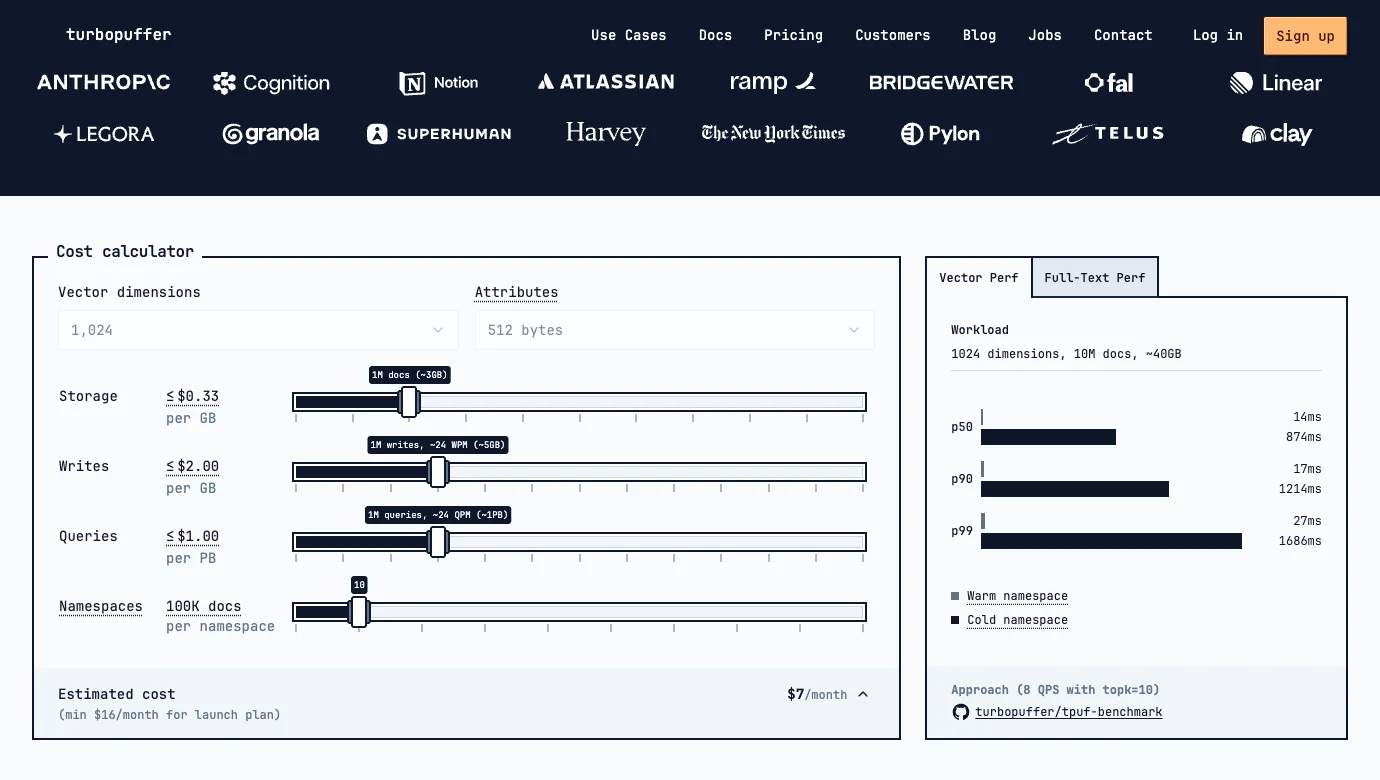
Turbopuffer puts idle indexes in object storage and keeps frequently searched data on faster media. Cursor’s migration shows what that means for cost and the wait for a code search.
Income undisclosed
Turbopuffer puts idle indexes in object storage and keeps frequently searched data on faster media. Cursor’s migration shows what that means for cost and the wait for a code search.
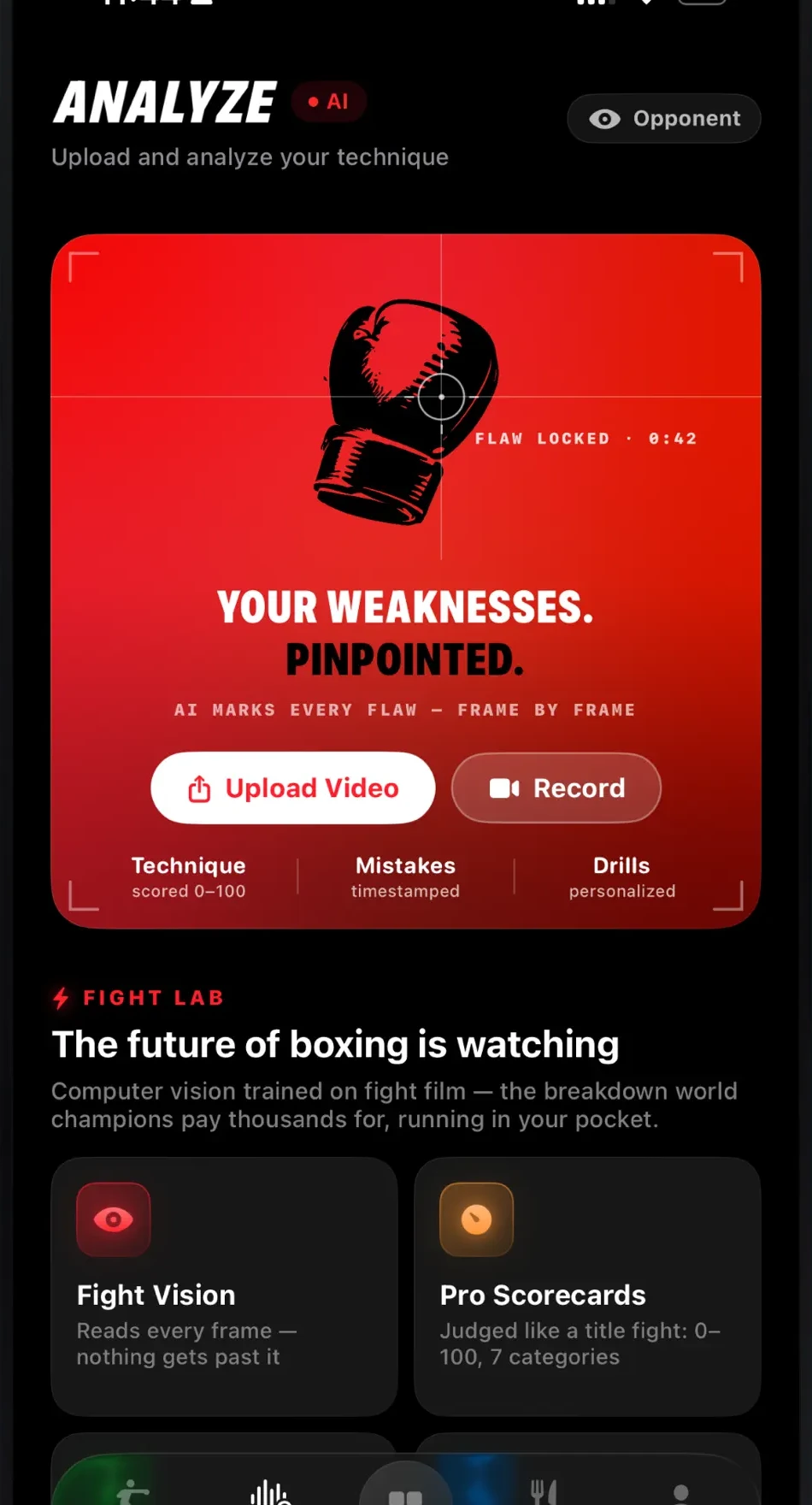
Brawler turns training footage into structured feedback and used a screen recording to test first-day acquisition costs. How much it actually receives from annual plans matters for payback.
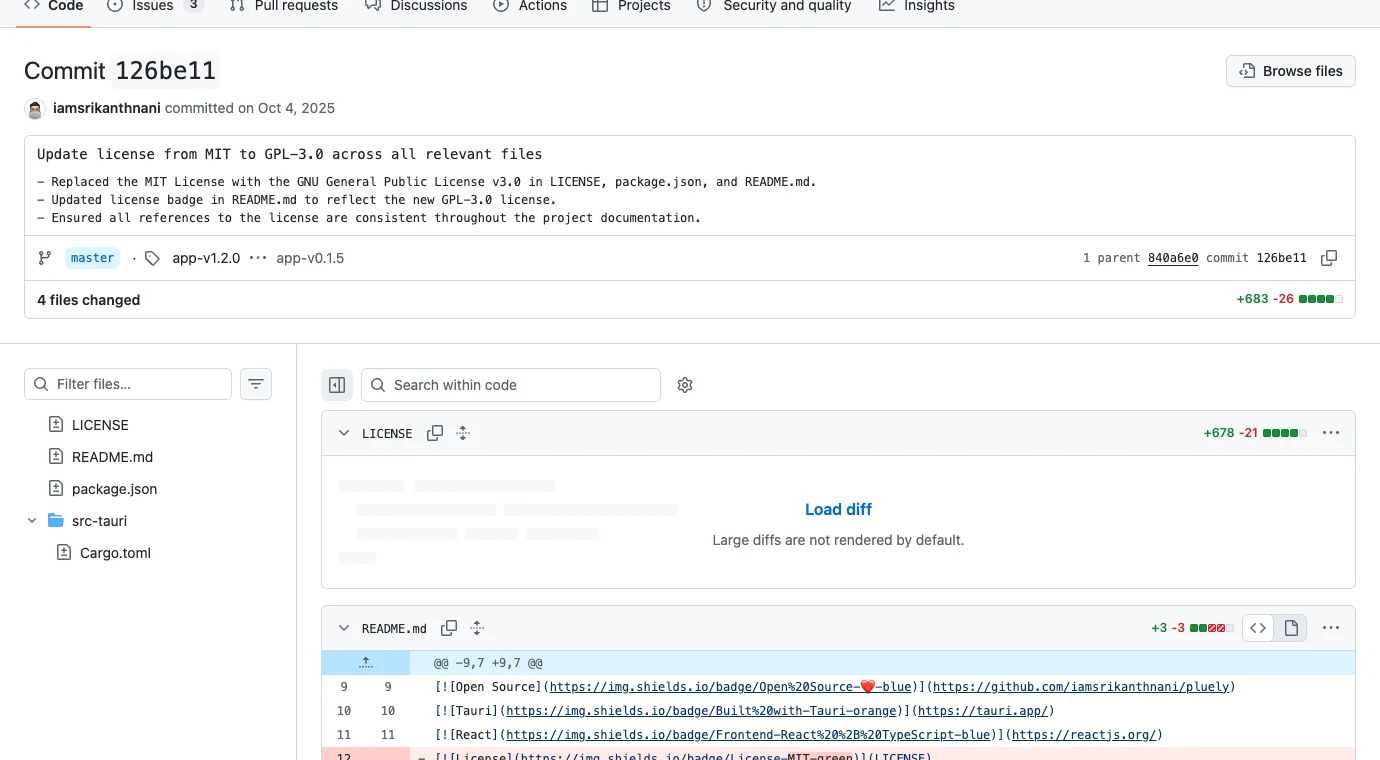
Srikanth Nani moved Pluely to GPL and tried to address what he described as noncompliant redistribution. He kept a free version when he stopped releasing new source code.
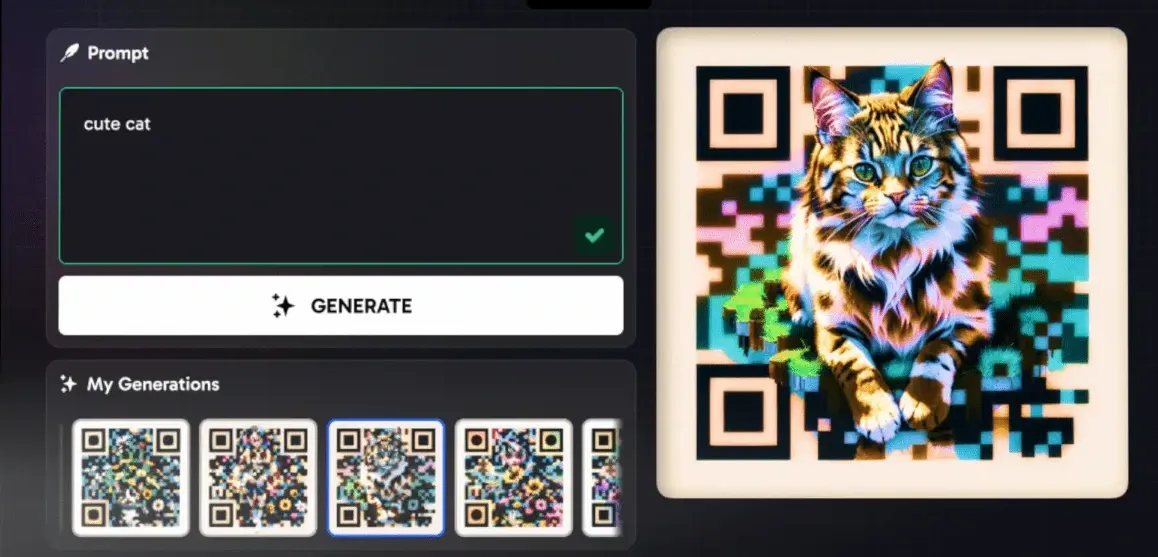
QR Code AI attracts trials with artistic QR codes and sells dynamic redirects and scan analytics to businesses that need to maintain printed codes over time.
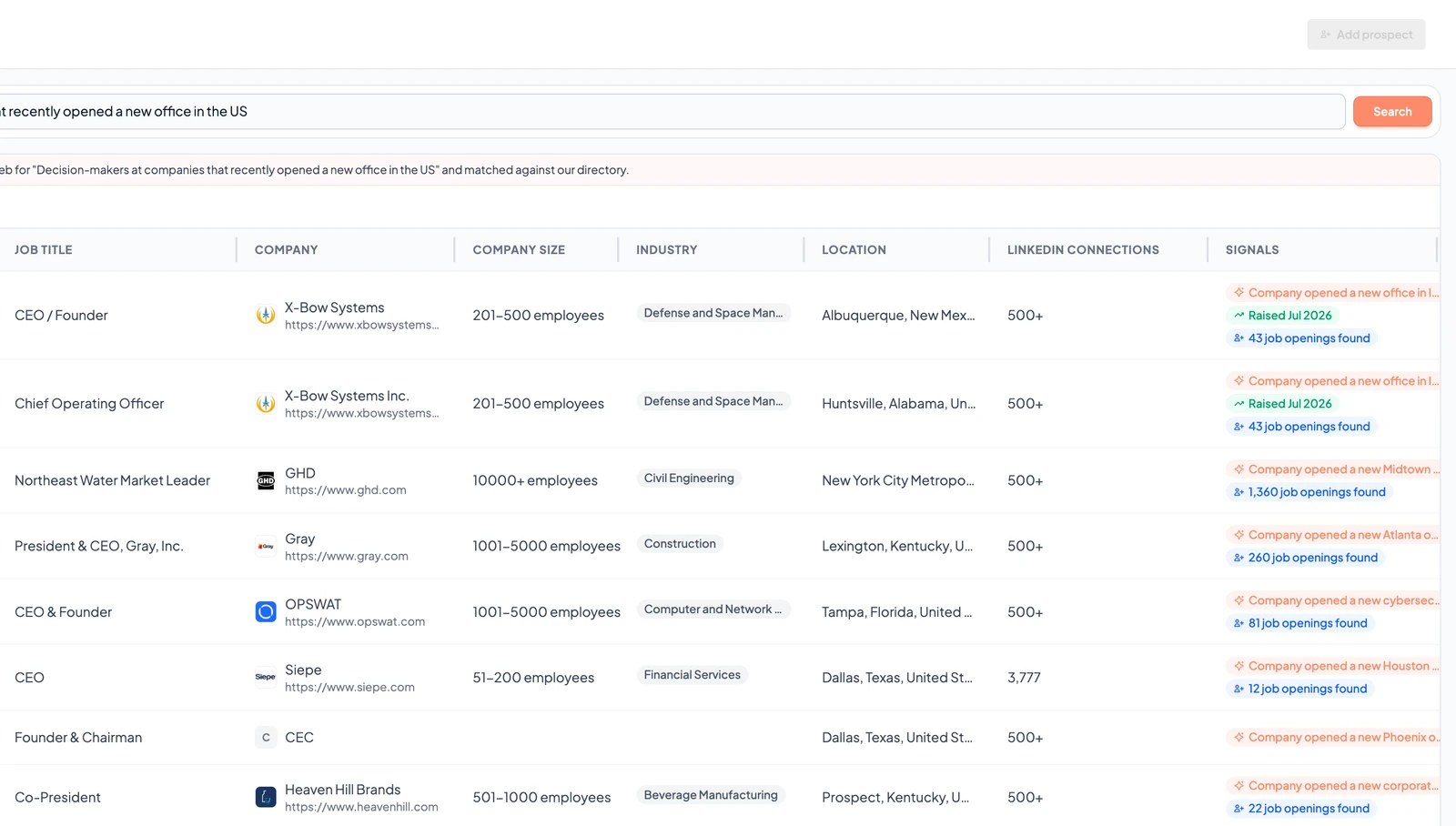
Gojiberry proved demand through a manual service, then gave up most of that work and turned its prospecting decisions into subscription software.

Kris Chase checked existing search demand, built PeptIQ with the help of coding agents, and used articles and a free tool to reach subscribers.
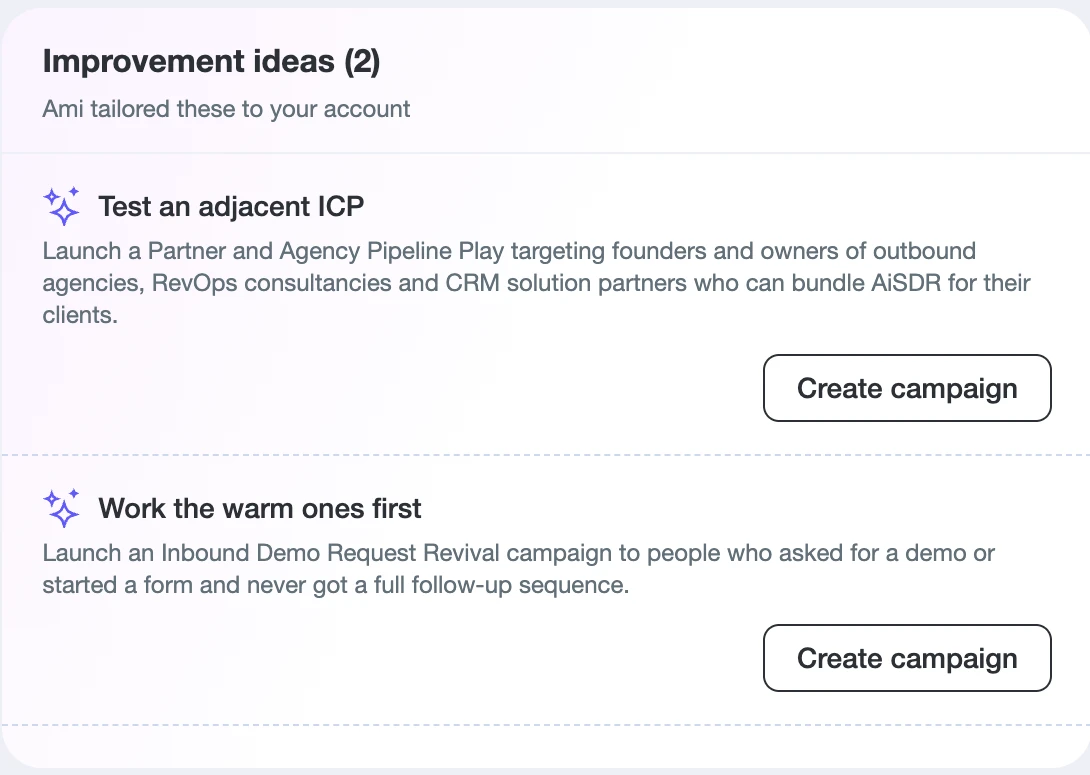
AiSDR puts prospect research, outreach and replies into one workspace. Salespeople take over conversations after a CRM handoff. Tests can pay per person contacted, with separate arrangements for team plans and managed services.

House Goals lets homeowners and renters photograph their space, generate a renovation preview and edit colours, furniture or materials individually. It charges by recurring subscription. Its founder says TikTok makeover comparisons brought organic traffic and included the content workflow in the sale offering.

Octolens helps enterprise software and developer tools teams monitor social media discussions and identify posts relevant to their business. Before the software launched, some trial users were already paying to receive the filtered results. Co-founder Charlotte Schmitt initially screened posts by hand and emailed them to customers. Later, the team made it possible for customers on every subscription tier to have matching posts sent automatically straight to the tools they already use.
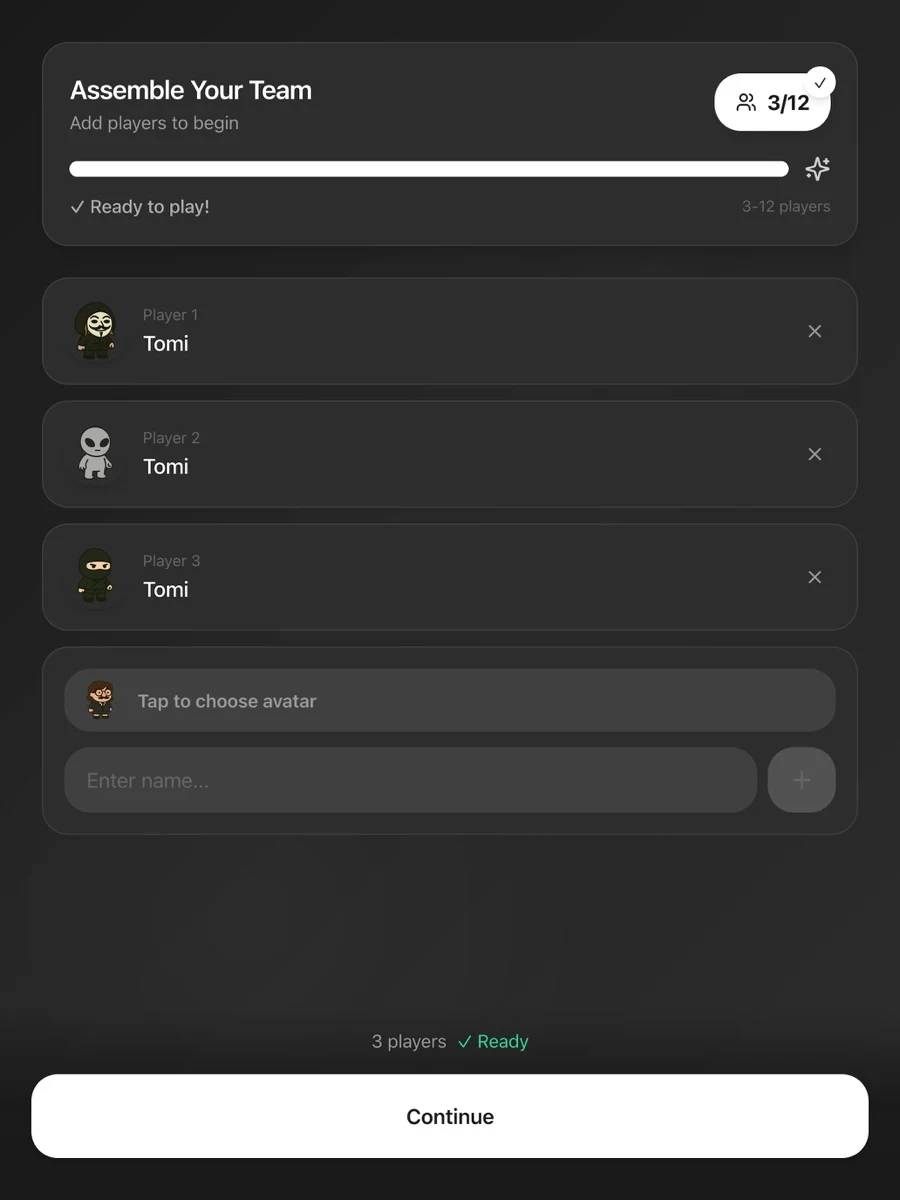
Imposter AI lets friends use a shared phone to see prompts, give clues and vote. The download is free, with AI-generated categories in the paid tier. The team used short videos that creators could repeat, letting players' reactions explain the game and attract new users.
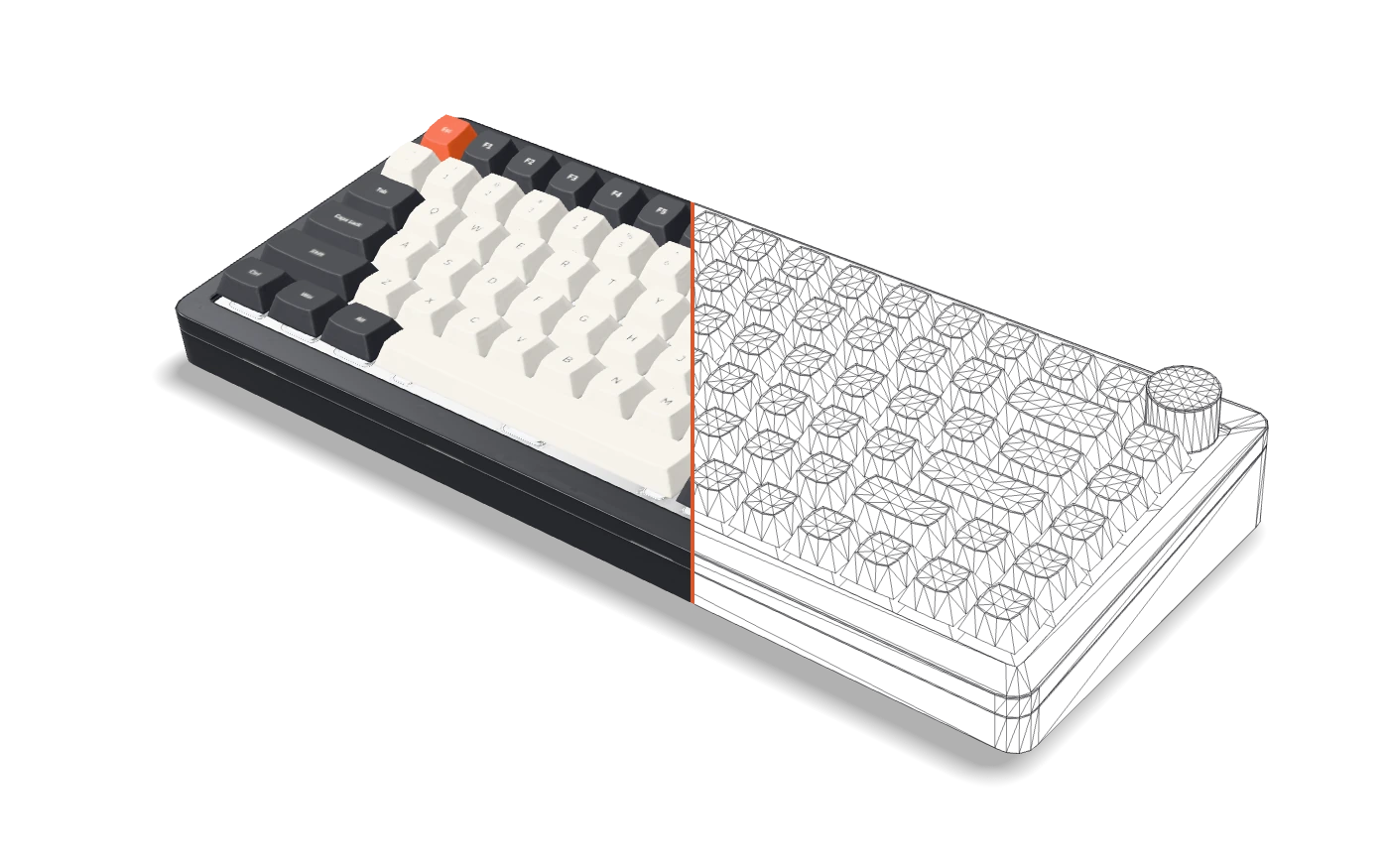
3D-Agent adds editable geometry, materials and animation to the Blender scene a designer already has open. It sends prompts and relevant scene information to the cloud, with further editing available locally. Subscription tiers differ by prompt allowance, task depth and generation priority.

overads regularly drafts social posts and ad campaign reports for small marketing teams. After the rebuild, access was free and sign-up was card-free. Founder Shreyak Singh recalls that the first five users of the old version each paid 149 US dollars a month. As of November 26, 2026, the official pricing page offered only subscriptions paid at sign-up. By default, workflows publish posts only after human approval, and ad changes must be confirmed individually.
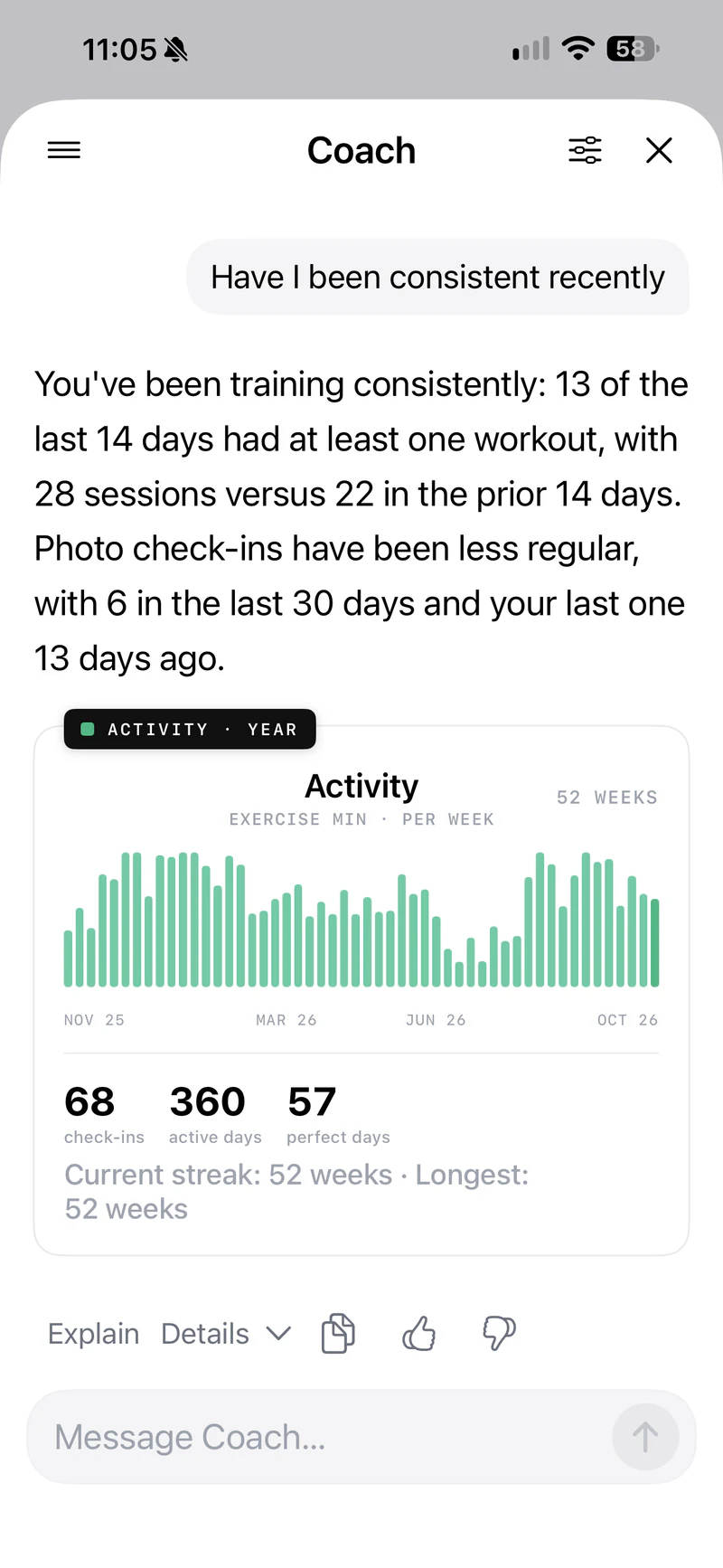
GainFrame helps people who work out organize their progress photos by pose on iPhone and compare any two dates side by side. It's free to download, with weekly, monthly, or annual Pro subscriptions. Developer Michael Rode says he found testers by sharing his training photos on Reddit. Everyone who bought a subscription on launch day had been talking with him for about two weeks during testing.

GrainFox helps Canadian farmers revise their grain sales plans using actual yields and expenses. The self-service tier with sales planning is billed annually. Sinoa answers questions about how trade news might affect grain prices, while Smart Advisor considers storage capacity and cash flow goals and recommends selling or holding. The farmer makes the final decision. A per-acre plan adds a human advisor who can help negotiate contracts.

Affonso helps software companies find affiliate partners and track the customers and revenue those partners bring in. Early on, the product was free to use and had no way to pay in the app. Founder Zinnanti recalls reading X posts from people asking for recommendations or looking to switch tools and finding his first customer through comments and direct messages. He later showed how to connect the tools so Affonso could find affiliates promoting competing products, Grok could do the initial screening, and the software vendor could decide whom to contact.
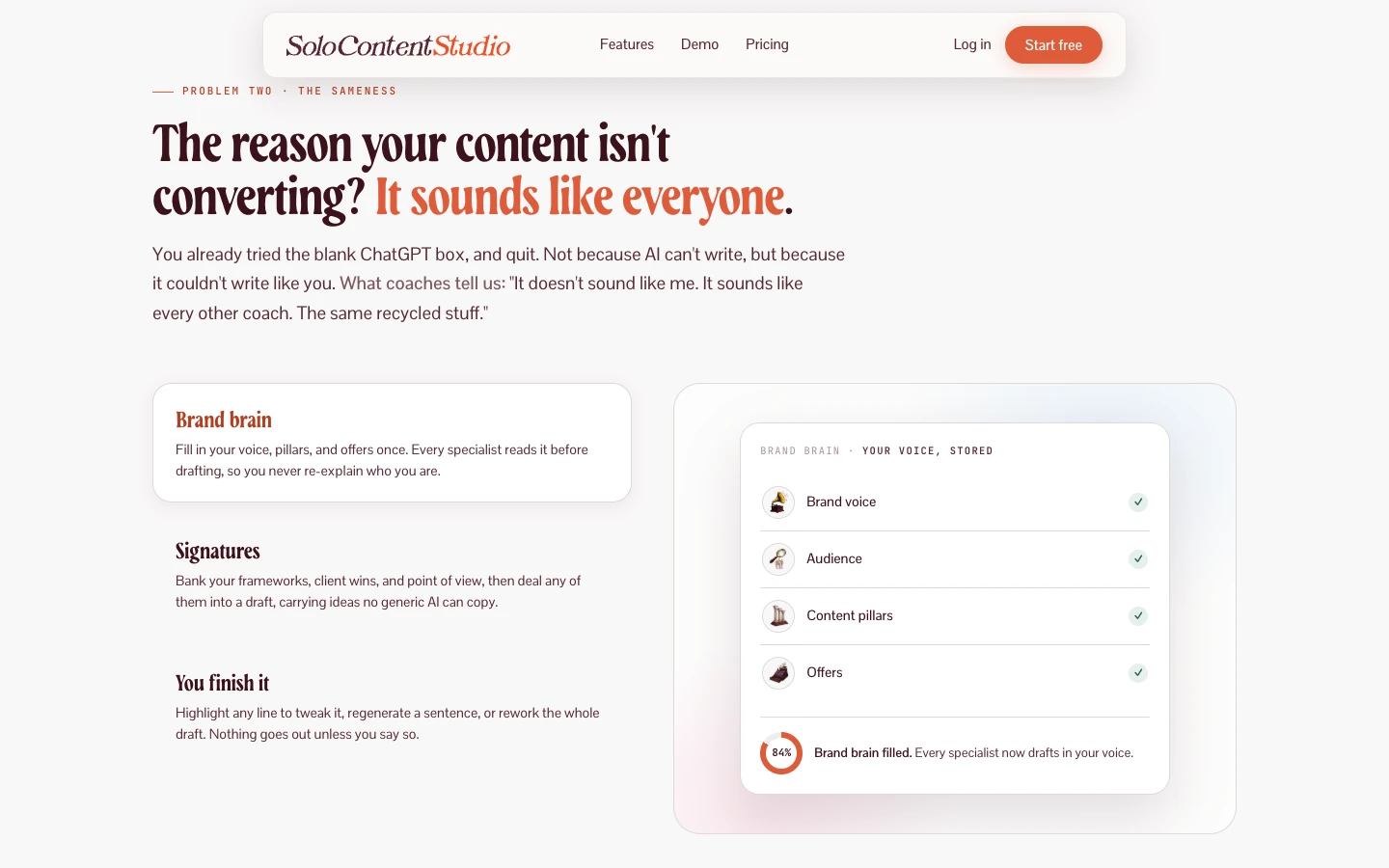
Solo Content Studio helps coaches who run businesses under their personal brands draft email newsletters and short video scripts. According to the official site, the 7-day trial requires a bank card on file and rolls into a paid monthly subscription unless canceled before it ends. The workspace saves the coach’s writing samples and business context for reuse across topics. Coaches still review, edit, and publish the drafts themselves.
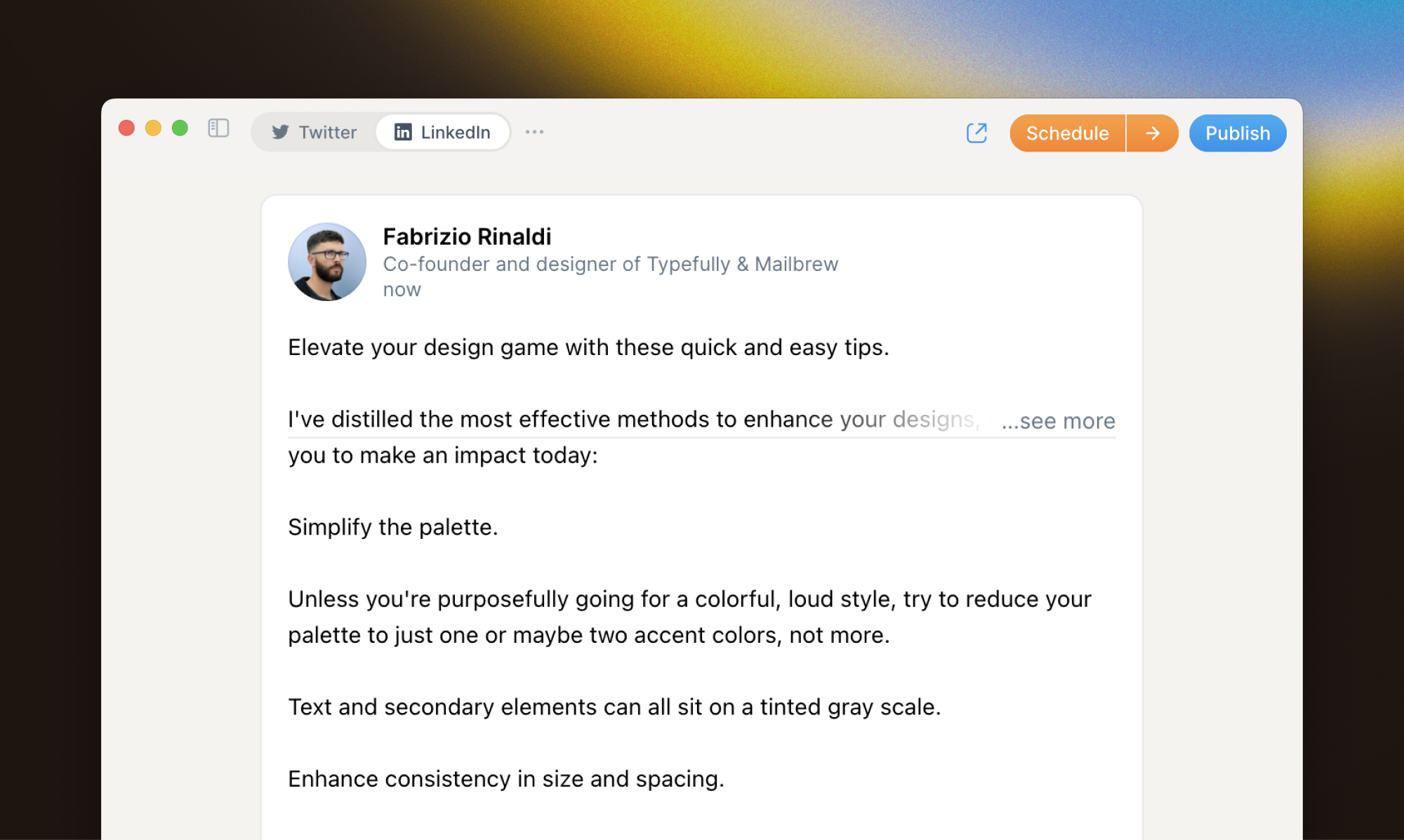
Typefully lets creators turn drafts into posts in one workspace, preview them, and schedule them for platforms like X and LinkedIn. The free plan allows 10 posts a month. The AI assistant can draft from rough notes with the target platform in mind, and the author checks the result. The annual-only Creator plan for individual creators has a higher publishing limit.

TalkToHumans helps users manage LinkedIn conversations and follow-ups. Founder Robin Labrot turned his own sales review process into a free template. When he was building ListenUp!, plenty of people praised it, but few paid. This time, he puts call, actual usage, and payment records together for Claude to read, then has AI Rob identify the sales bottleneck that most needs attention each week and assess whether the next deal can follow an existing path to a sale.

PlugKit lets social media operators schedule posts with an AI assistant and set up DMs triggered by comments. The monthly fee is tiered by the number of connected social media accounts and covers account connections and hosted execution. Existing ChatGPT or Claude subscriptions work with it. On Instagram, only a person’s first comment on a given post or Reels video can trigger a DM.
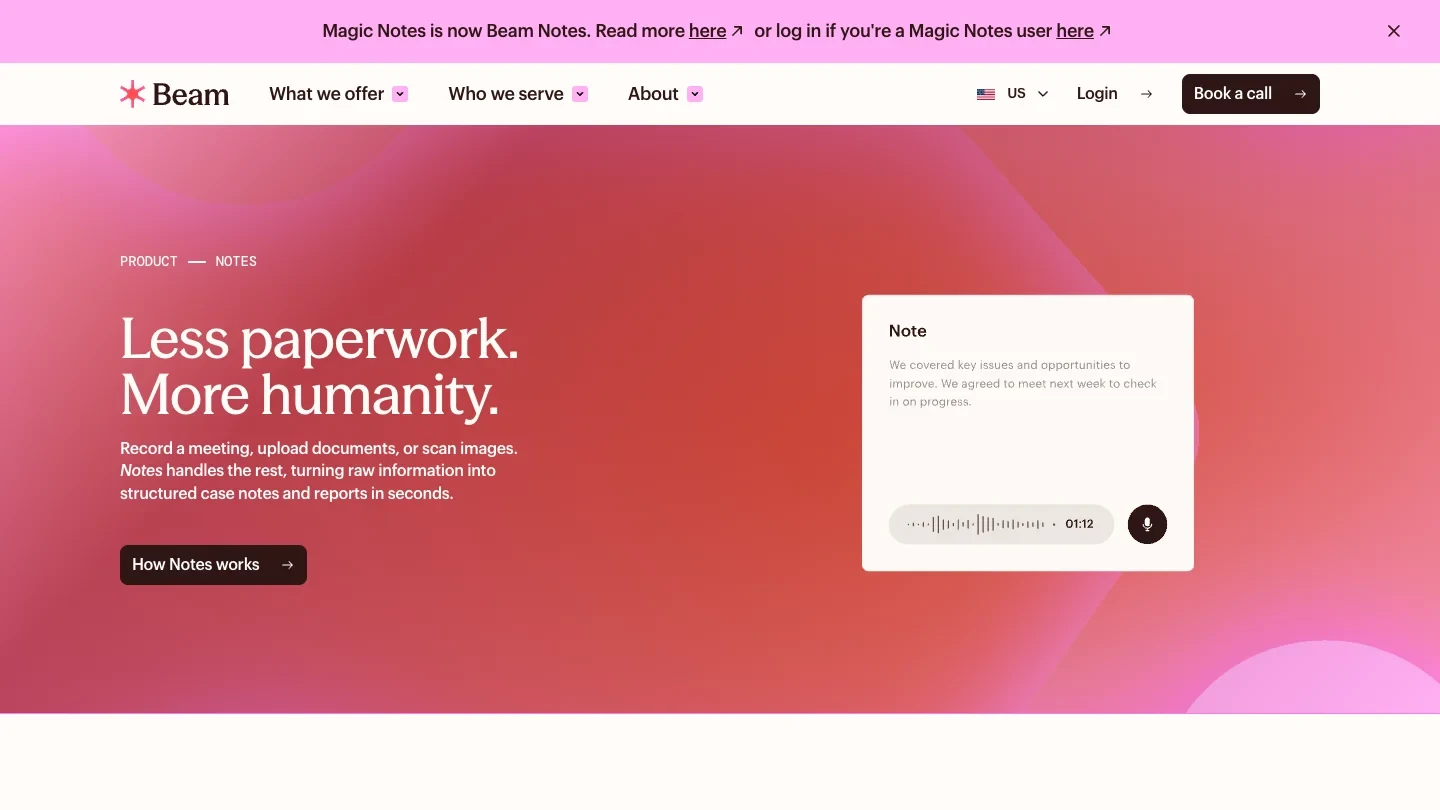
Beam Notes, formerly Magic Notes, turns conversations into structured draft notes for social workers and special education assessment teams. Essex County Council bought two paid pilots, then bought a service called Case Assessment Tool from the same supplier alongside a separate special education pilot. The council hopes coordinators will spend less time attending just to take notes. Staff still check the record.
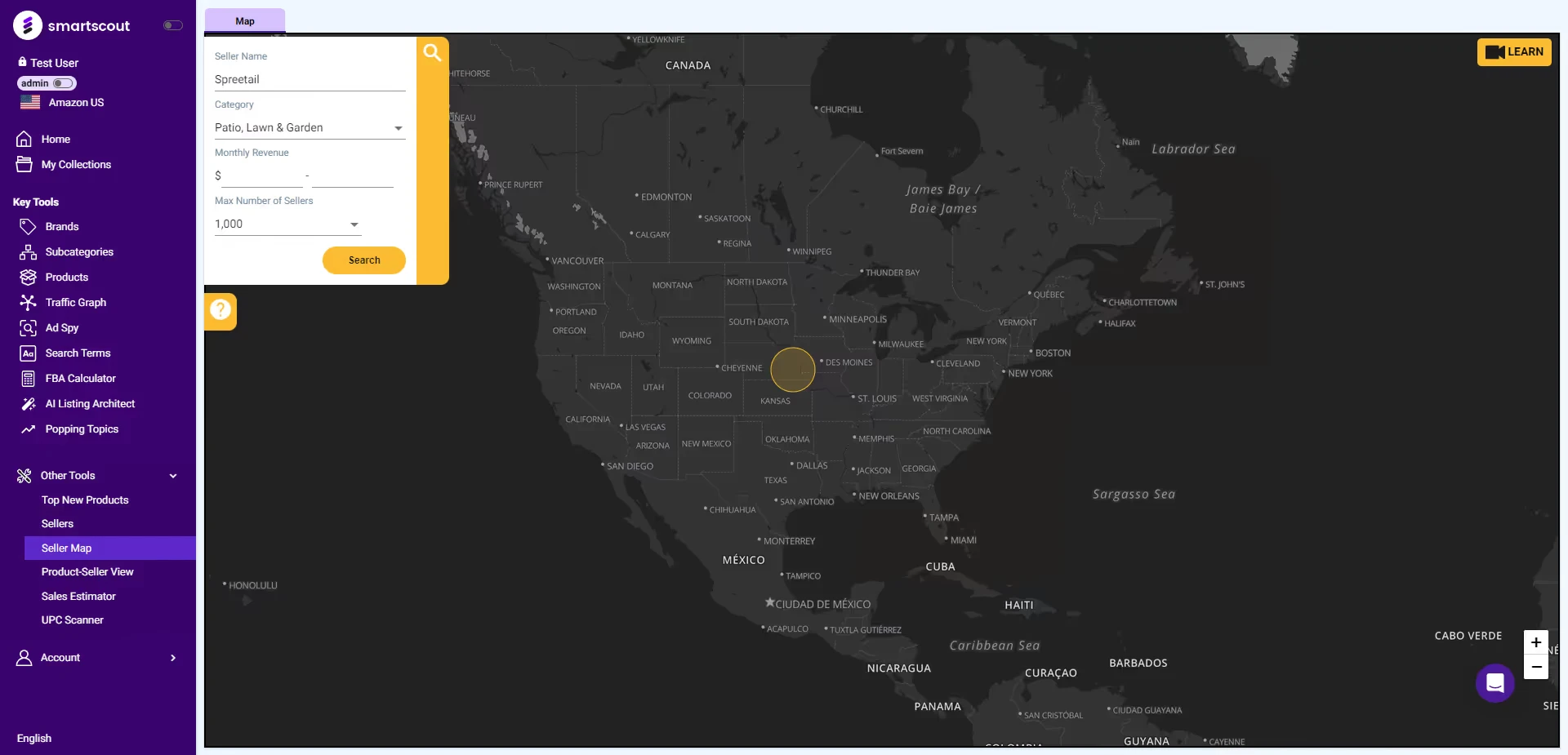
SmartScout helps Amazon sellers screen potential brand partners and uses AI to draft product listings. Founder Scott Needham recalled that 75 people paid on the software’s first day. Within two months, he and a front-end developer turned BuyBoxer’s internal brand-screening tool into software they could sell. Needham credited his podcast for that launch. The AI picks out relevant search terms from keyword and competitor data and works them into titles, selling points, and descriptions.
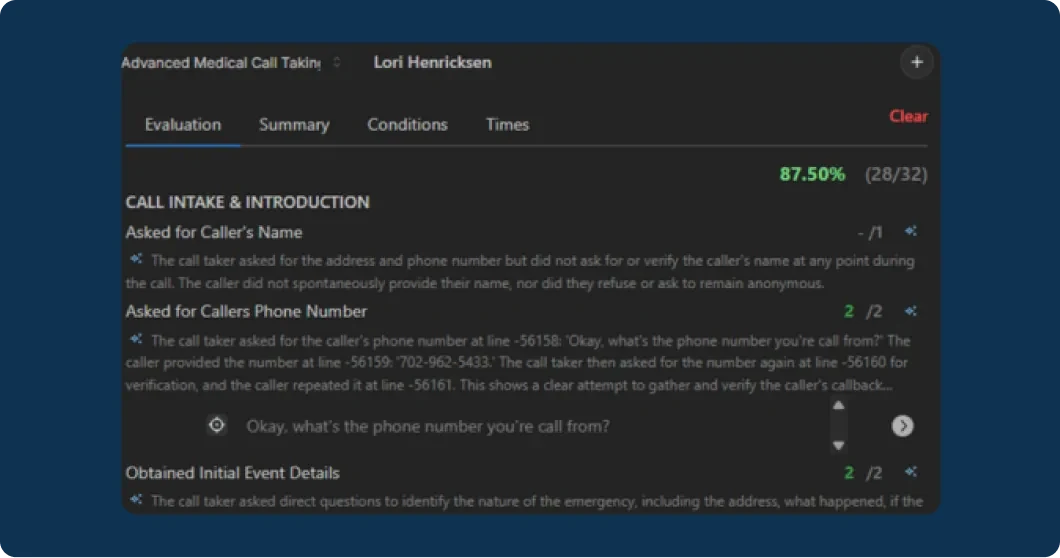
CommsCoach helps emergency dispatch centers make an initial assessment of completed calls against local standards. Glenview bought it to replace Corti, and the board approved a five-year renewal in 2026. Reviewers can check the scores and build training scenarios from local calls and dispatch records. The renewal preserves past evaluations, training content and system integrations. The last four years remain subject to annual appropriations.
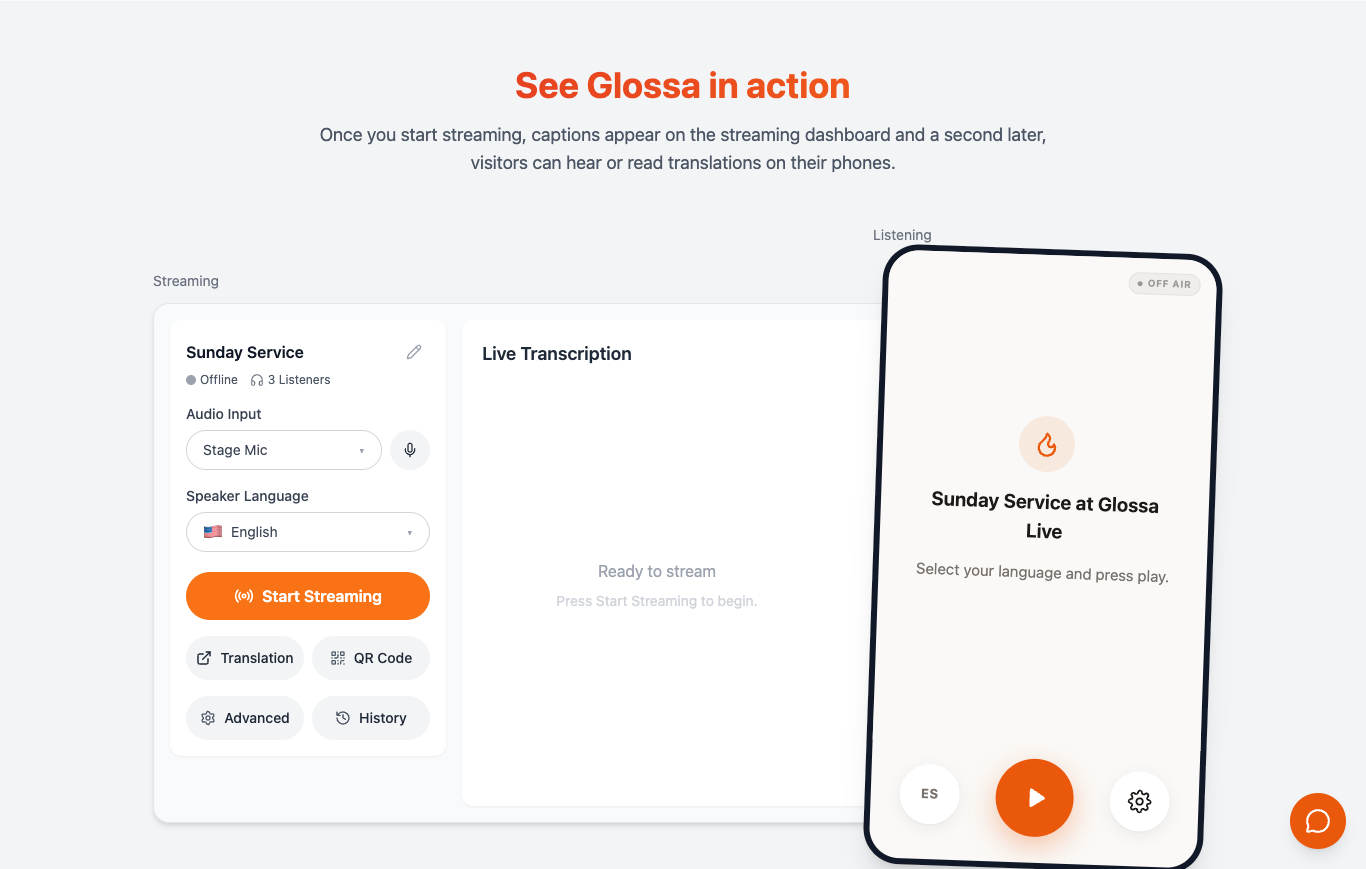
Glossa translates live speech for churches and event organizers. Pricing is based on the minutes of speech translated into each output language, regardless of how many people listen. The sound operator connects the existing sound system or microphone, selects the speaker's language on the dashboard, and starts the stream. Listeners choose a language on their own phones to hear the translated audio or read captions.
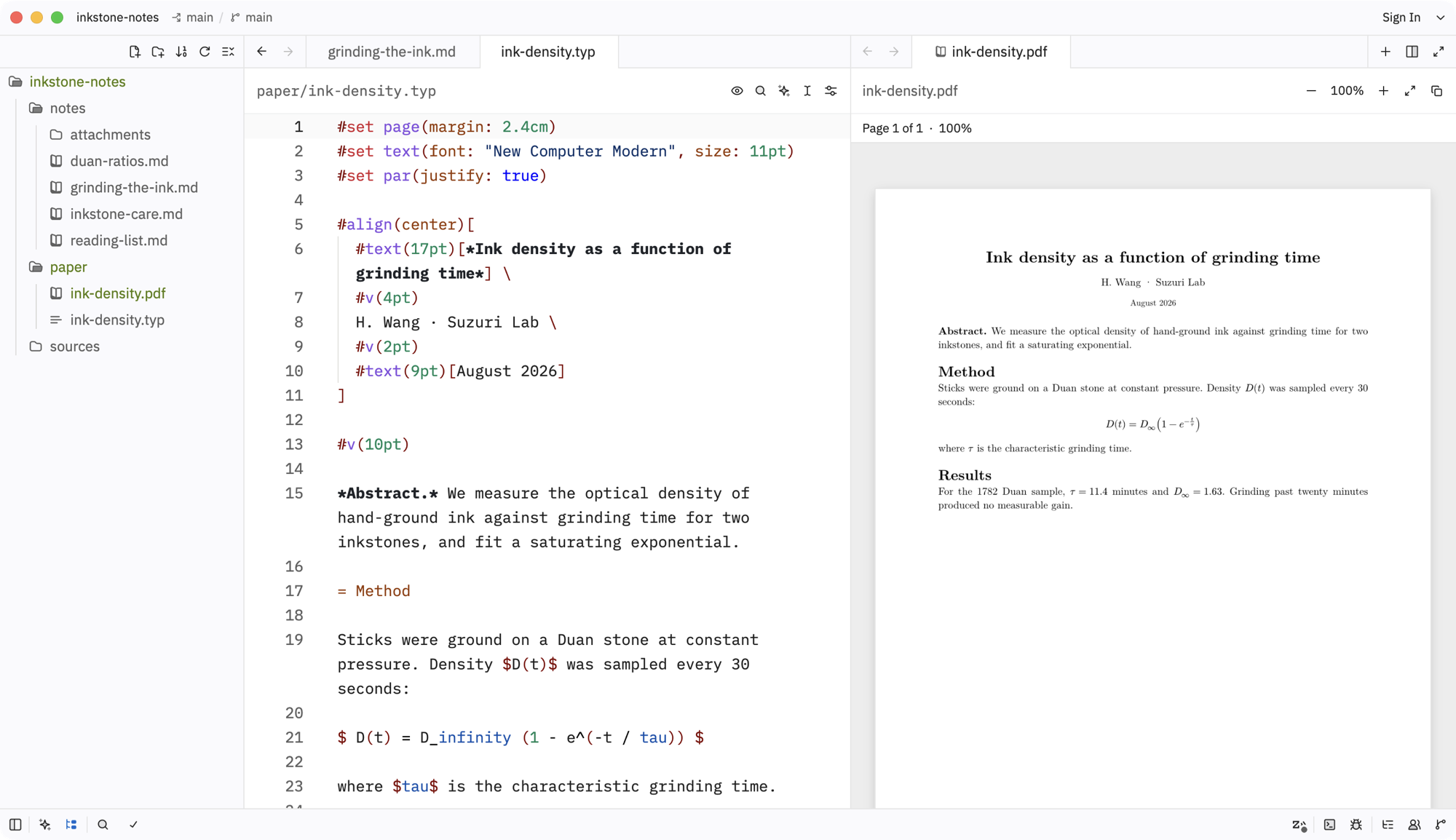
Suzuri lets researchers who use Zed edit code and write papers in the same window. The open-source fork merges changes from Zed’s main branch every week. Harry Wang forked Zed to spend less time switching apps. Suzuri gives him a live PDF preview as he edits typesetting source. GitHub records show that as of November 26, 2026, Beijing time, the five desktop package types across 32 public releases had been downloaded 3,068 times in total. That is not a user count.
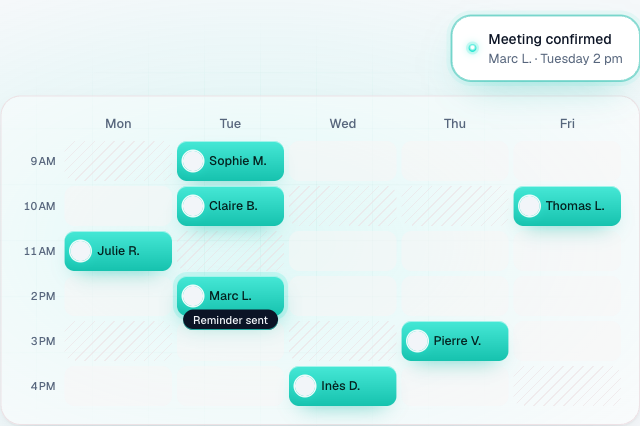
MimikFlow helps sales teams handle replies from prospects and book meetings through a monthly software subscription. Founder Mo Alani charged for installation and coaching before turning the same reply and booking workflow into software. Sensitive requests, negotiations, and conversations with unclear context go to a person along with the message history.

When colleagues record and narrate a task for team training, Glitter AI turns it into an editable guide with screenshots. Paid teams buy creator seats through their plan. Viewers are free, so a few people can edit the training guide while everyone else can read it.

Link in Seconds hosts files for senders and generates shareable links. Small files are free to share, but starting a trial for larger files requires payment authorization up front. Sunny Radadiya says that of the 86 new signups the day before he posted his retrospective, 34 came from answers given by AI assistants. He dropped the original free tier because hardly anyone upgraded and the service was being abused. He later brought back only a free tier with a small storage allowance. He says most people who reach the payment page leave before starting the trial.
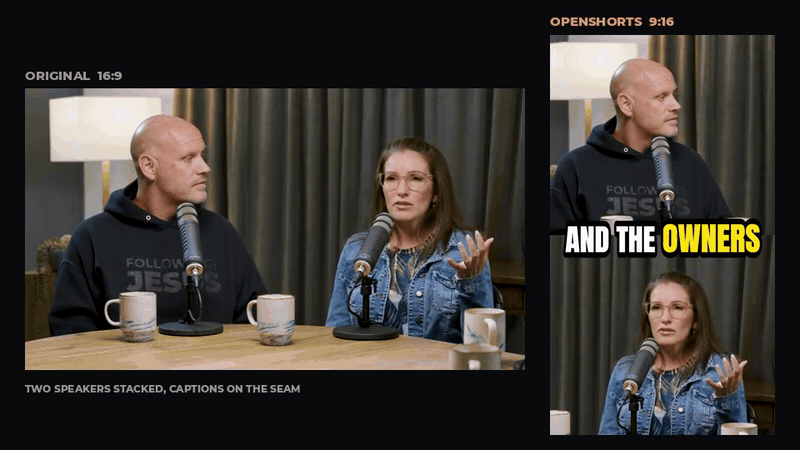
OpenShorts picks clips, reframes them for vertical video, and adds captions. Cloud plans charge by the length of the imported video and include trimming, editing the opening hook, and rendering again. The MIT-licensed version runs on your own machine.

Stencil AI turns reference images into print-ready, actual-size stencils for tattoo artists. A TrustMRR payment snapshot synced on November 21, 2026 shows $48,809 in monthly recurring revenue and 1,754 active subscriptions. Costs are undisclosed and profit remains unclear. The website lists monthly prices in yuan and charges by artist seat on Studio.
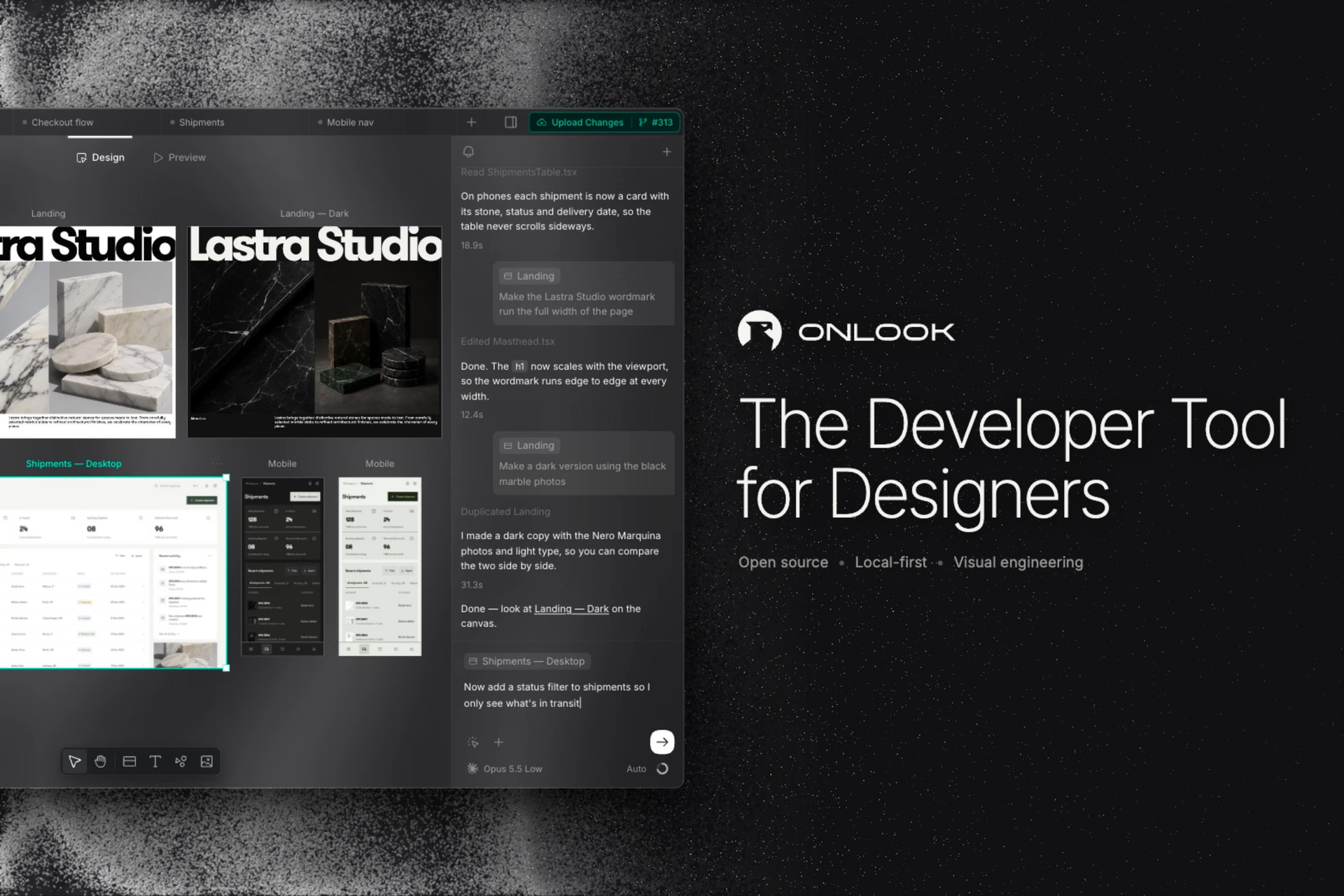
Onlook lets designers try interface changes in real projects, review the code changes line by line, and then decide whether to open a pull request. The new desktop editor is free and open source, and a paid cloud product for teams is still in the plans. At the launch of the new desktop version, Daniel recalled that after releasing the web version, the team found that the old desktop version was still getting hundreds of downloads a month even after promotion had ended. That’s why they decided to rebuild it.