 MakerGain
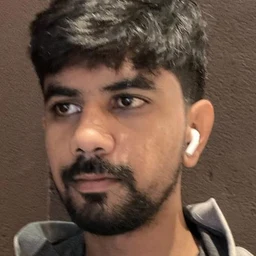
Sunny Radadiya’s portrait from his personal website[1].
For his first two months building Link in Seconds, Sunny Radadiya posted the product’s web address everywhere. He posted it so often that a large subreddit banned him. “I deserved the ban. Lesson learned,” he later wrote. As it happened, the tool he was building was for sending links. A PDF or a video could become a web address anyone could forward. [2]
He was tired of opening Google Drive links only to have to “request access,” and he was frustrated by WeTransfer links expiring. Link in Seconds hosts files for senders. Recipients can open them right in their browser without signing up, installing an app, or entering payment details. Sunny writes the code, runs the site, and replies to user emails himself. [2] · [3]
He had built the core features and already attracted a few hundred users. But from June through August 2026, as he recalled it, traffic barely picked up, and most visitors still came from his own posts. He was busy adding features at the time. Looking back, they were all things no one was searching for. [2] · [4]
By September, he had started creating one page per question people were already searching for. “How do I turn a video into a link I can send?” The title was that straightforward. Within a few weeks, traffic from Google search started to rise. “It doesn’t sound like much, but that’s how people search. Pages like these worked better than the ones I’d put so much effort into writing before.” Sunny’s look back at where signups came from[4] · [5]
Senders can also ask ChatGPT to upload eligible files for them if it’s connected to Link in Seconds. If they need to send a report to a client, for example, the assistant uploads the file to the sender’s account and returns a link they can forward. [6]
In November, Sunny reported 5,046 total signups and 10,650 links created in his five-month retrospective. The site was getting about 1,000 visitors a day. What he hadn’t expected was that AI assistants had started recommending the tool. Of the 86 new signups the day before he posted, 34 came from answers given by assistants such as ChatGPT and Perplexity, and 15 came from organic Google search. He planned to watch for a full month before deciding whether to make any changes. [2]
Attracting users is one thing. Getting them to pay is another. Sunny said his biggest decision was to drop the original free tier, which anyone could start using by signing in with a Google account. Thousands of people used it for free, and almost no one upgraded. Spam accounts also got in and abused the service. When pages that broke the rules were reported, legitimate users’ links were affected too. [2] · [7]
When the plans changed, new users had to provide a card up front to start a 7-day Pro trial. In India, they could authorize payment through UPI AutoPay instead. There was no charge when the trial started or if they canceled before it ended. Otherwise, it converted to a subscription at $9 a month plus tax. [7]
Existing free users got a 17-day transition period, and links they’d already shared kept working as usual. Sunny promised to email them before pausing their links. If a link was paused, the file would not be deleted. If the sender subscribed later, recipients could open the original link again. [7]
The screen visitors see when a link is paused, as shown on the Link in Seconds website.
Sunny said people started buying paid plans steadily after the switch to a short trial. In his five-month retrospective, he reported $200 in monthly recurring revenue. Separately, 4 users made one-time payments for lifetime access. [2]
Speaking about subscription revenue, he replied on Reddit, “It’s not much, but a few months ago it was basically zero. I’m happy with the momentum.” Sunny’s replies on Reddit[5]
But the trial payment page was where Sunny got stuck. It was the people uploading large files who hit that hurdle. Their upload was already done, and all they were waiting for was a link they could forward. According to his retrospective, most people who reached the payment page left without even starting a trial. In a separate reply, he noted that senders could see their link being generated before entering a card. [2] · [5]
There’s already a way to share small files without providing a card. In an addendum to its November changelog, the official site announced that it was bringing back a limited free tier. On the November 25 pricing page, that tier offered 5 MB of total storage. As long as users stay on the tier, their links won’t expire because the hosting period has ended. For people who occasionally need to send larger files, there’s also the Small plan at $3 a month plus tax. [7] · [8]
Could people send a large file once before being asked for a card, too? One commenter suggested giving senders their first link and waiting until their second upload to ask for a card. Sunny replied that he wanted to try it. [2]
“Speed is what this tool sells. People need to feel it first.” Sunny’s replies on Reddit[5]