MakerGain
Gain 180
Gain 180Brawler
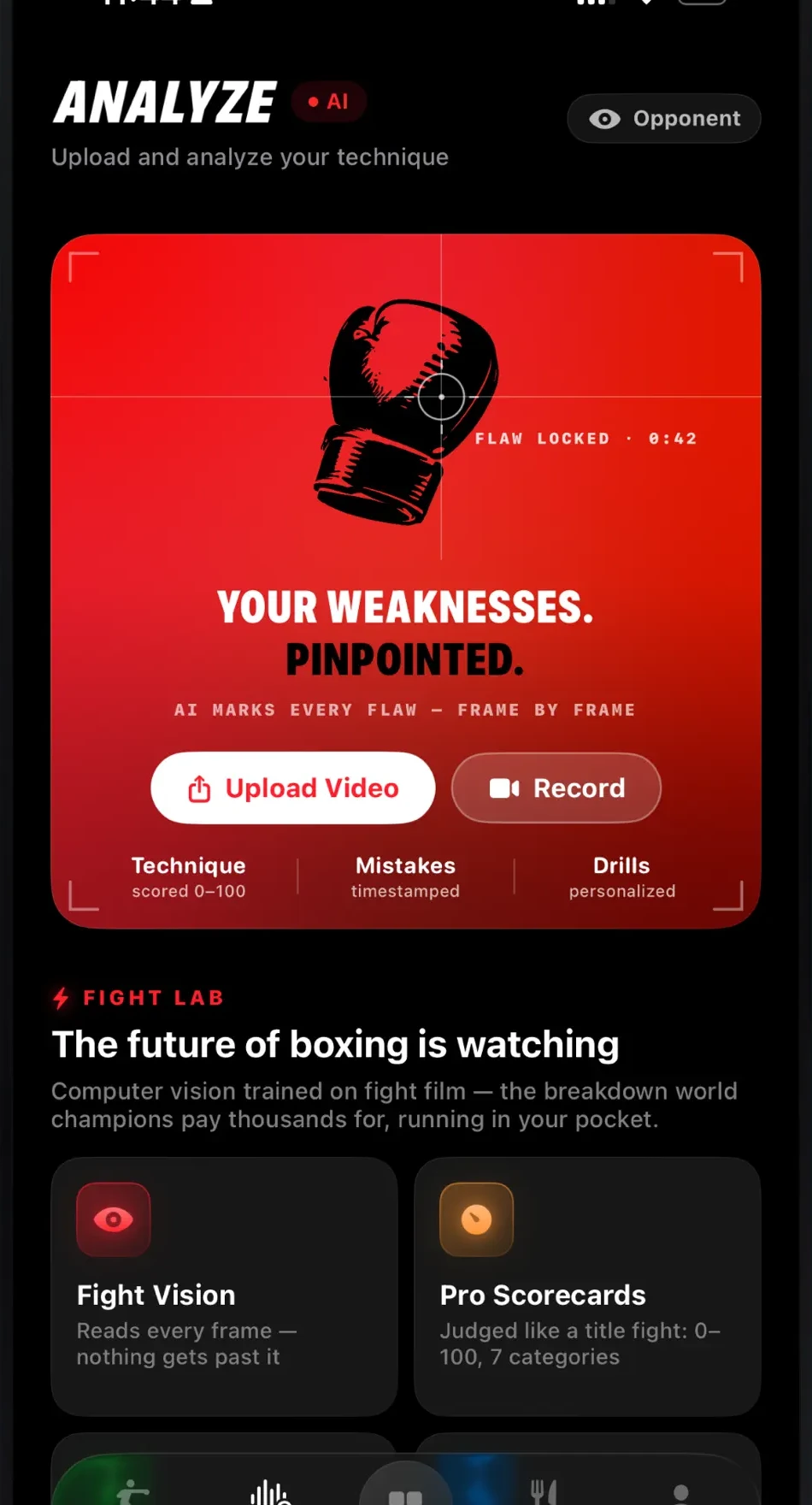
Brawler turns training footage into structured feedback and used a screen recording to test first-day acquisition costs. How much it actually receives from annual plans matters for payback.
$29,779MRR
Brawler turns training footage into structured feedback and used a screen recording to test first-day acquisition costs. How much it actually receives from annual plans matters for payback.
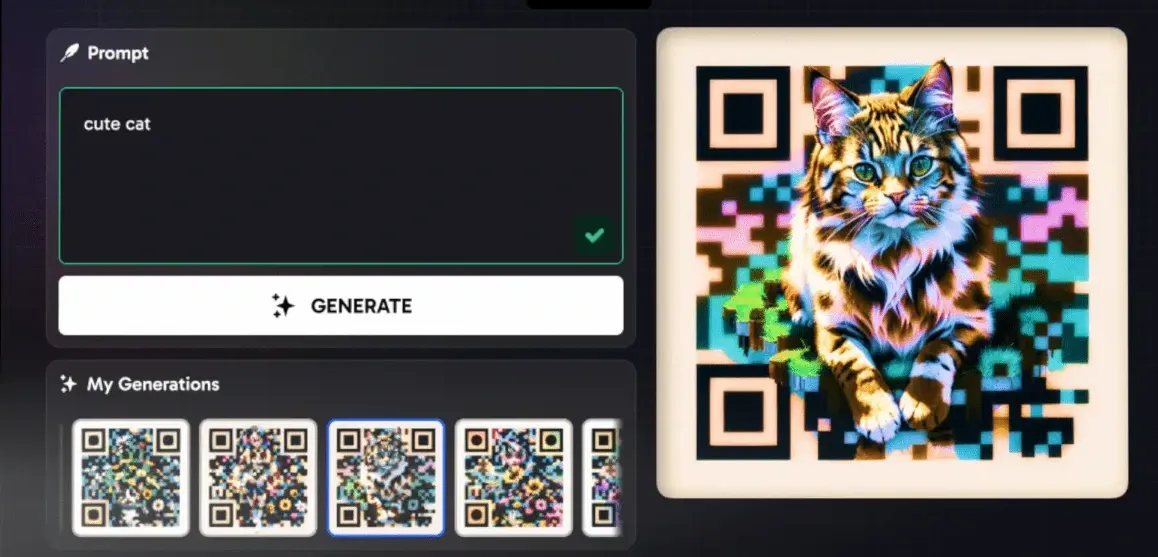
QR Code AI attracts trials with artistic QR codes and sells dynamic redirects and scan analytics to businesses that need to maintain printed codes over time.

WanderWay is scenic navigation for everyday drives and road trips, with stops such as covered bridges, overlooks, historic landmarks, and parks. Derek Boyer drew inspiration from looking for parks on family drives. He used Claude Code to change the app and add tests, and held two turn-by-turn fixes for a road test. Both made it into 2.8.
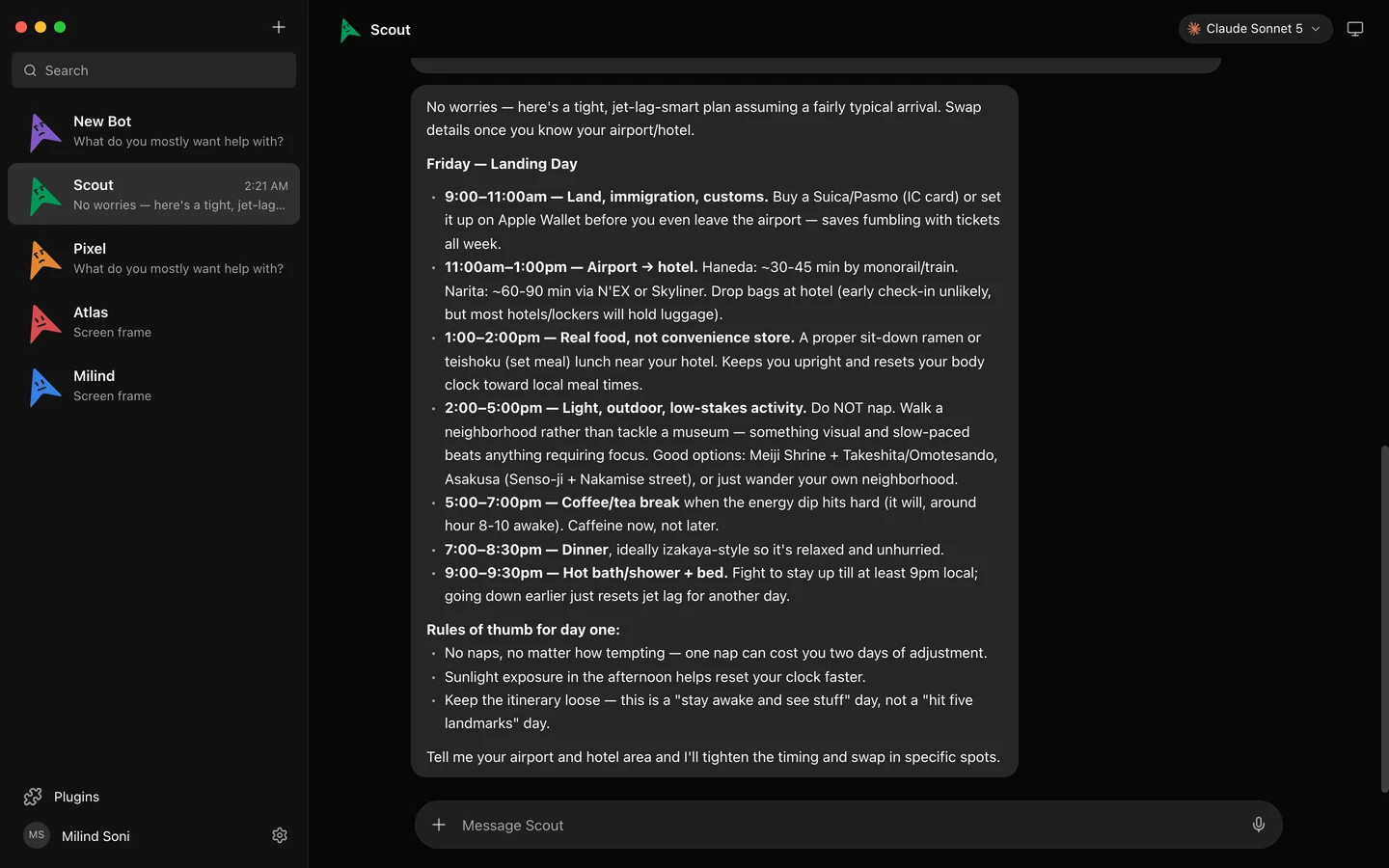
MausBot offers a free client that uses customers’ own model accounts and charges for hosting. Its early funding profile shows why hosting revenue and open-source upkeep need separate budgets.
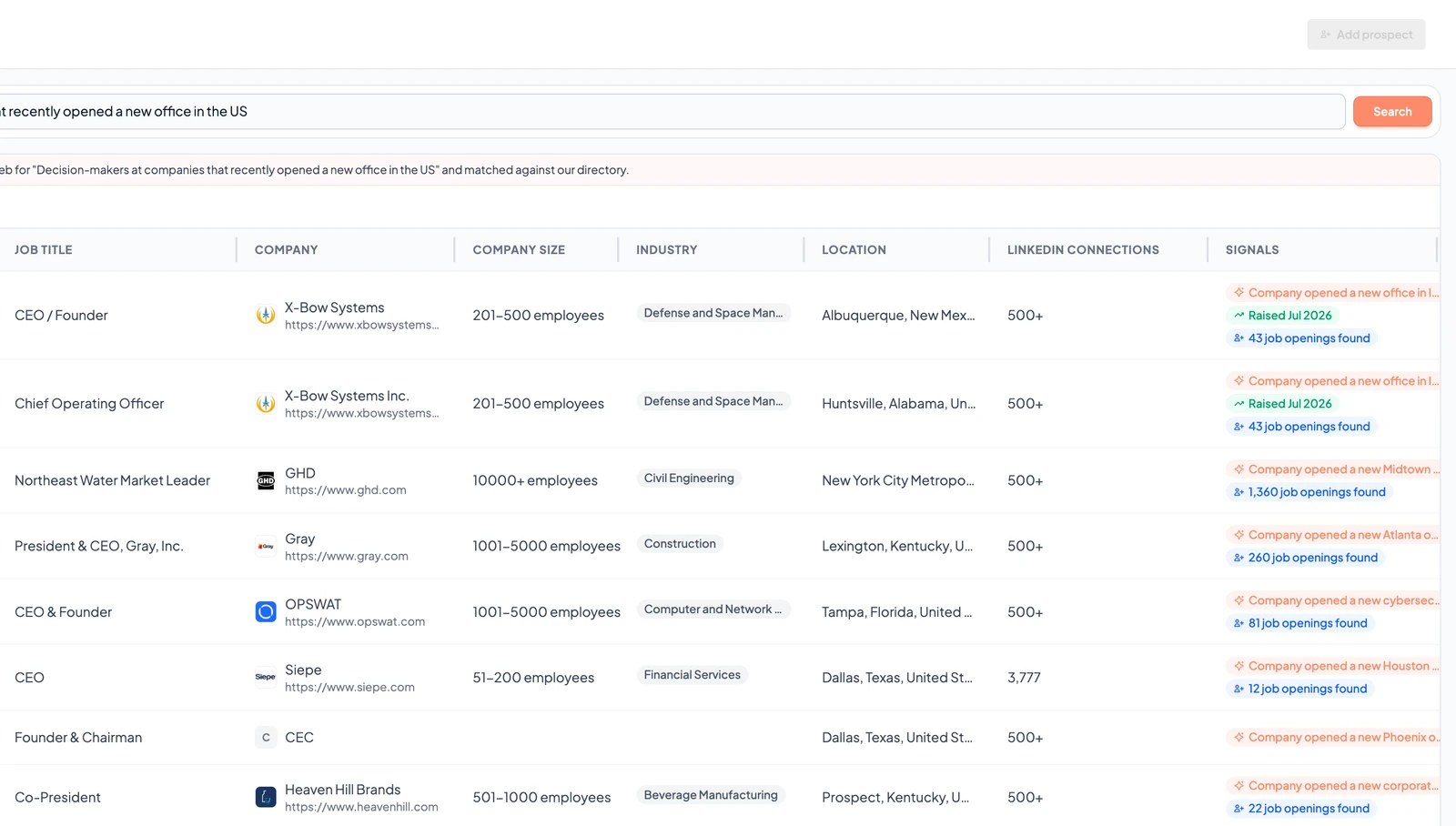
Gojiberry proved demand through a manual service, then gave up most of that work and turned its prospecting decisions into subscription software.

Kris Chase checked existing search demand, built PeptIQ with the help of coding agents, and used articles and a free tool to reach subscribers.
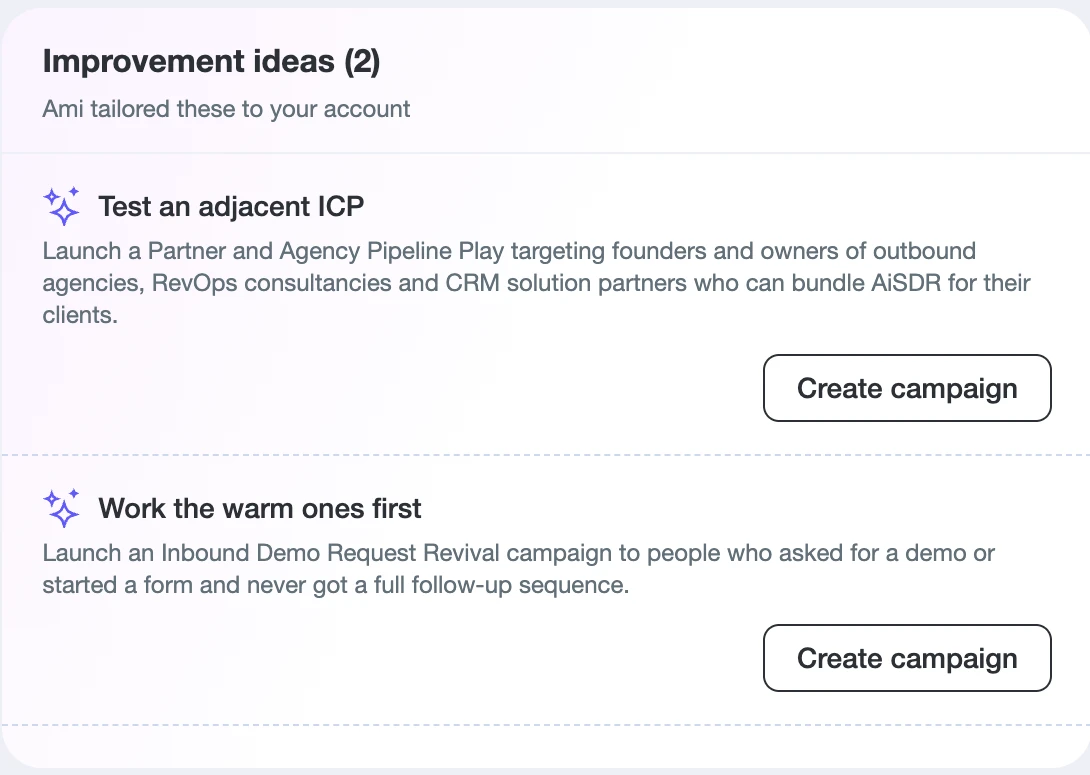
AiSDR puts prospect research, outreach and replies into one workspace. Salespeople take over conversations after a CRM handoff. Tests can pay per person contacted, with separate arrangements for team plans and managed services.

House Goals lets homeowners and renters photograph their space, generate a renovation preview and edit colours, furniture or materials individually. It charges by recurring subscription. Its founder says TikTok makeover comparisons brought organic traffic and included the content workflow in the sale offering.

Octolens helps enterprise software and developer tools teams monitor social media discussions and identify posts relevant to their business. Before the software launched, some trial users were already paying to receive the filtered results. Co-founder Charlotte Schmitt initially screened posts by hand and emailed them to customers. Later, the team made it possible for customers on every subscription tier to have matching posts sent automatically straight to the tools they already use.
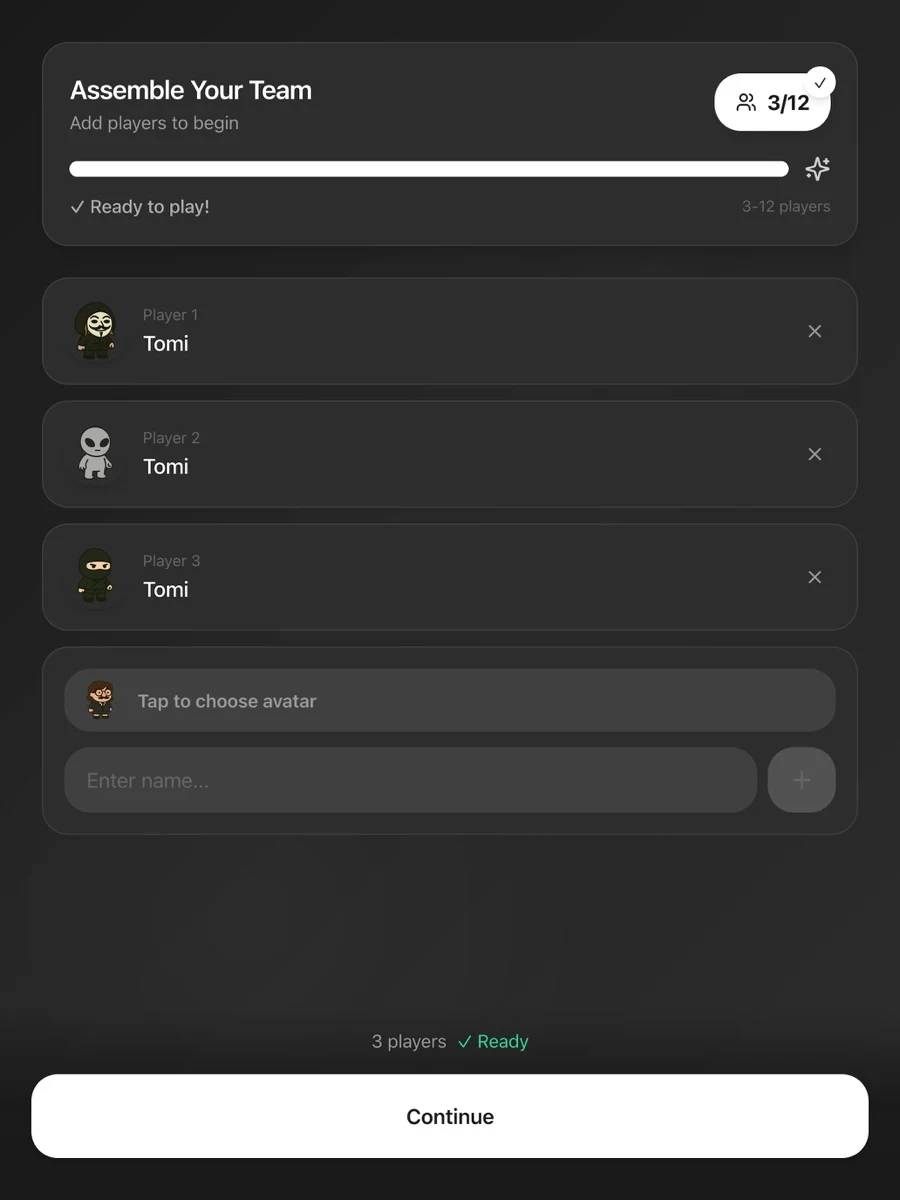
Imposter AI lets friends use a shared phone to see prompts, give clues and vote. The download is free, with AI-generated categories in the paid tier. The team used short videos that creators could repeat, letting players' reactions explain the game and attract new users.
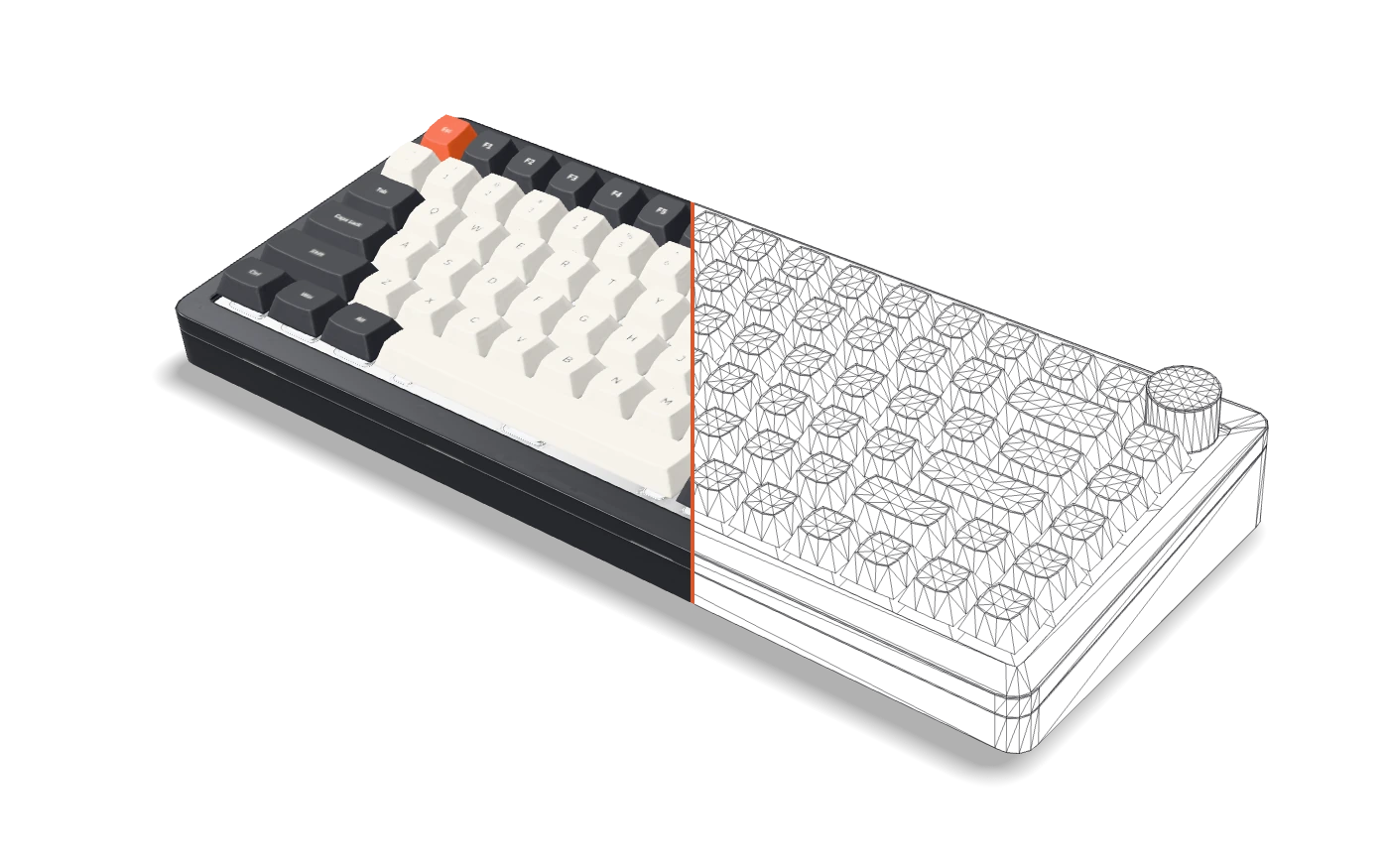
3D-Agent adds editable geometry, materials and animation to the Blender scene a designer already has open. It sends prompts and relevant scene information to the cloud, with further editing available locally. Subscription tiers differ by prompt allowance, task depth and generation priority.

overads regularly drafts social posts and ad campaign reports for small marketing teams. After the rebuild, access was free and sign-up was card-free. Founder Shreyak Singh recalls that the first five users of the old version each paid 149 US dollars a month. As of November 26, 2026, the official pricing page offered only subscriptions paid at sign-up. By default, workflows publish posts only after human approval, and ad changes must be confirmed individually.

Trst finds distributors, trading companies and buyers for manufacturers expanding overseas. It charges by the scope of work, from prospect research through monitoring to email outreach. Soma Kogyo's public case study reached an online meeting and a quotation. IACE Travel helps check prospects and arrange local visits.
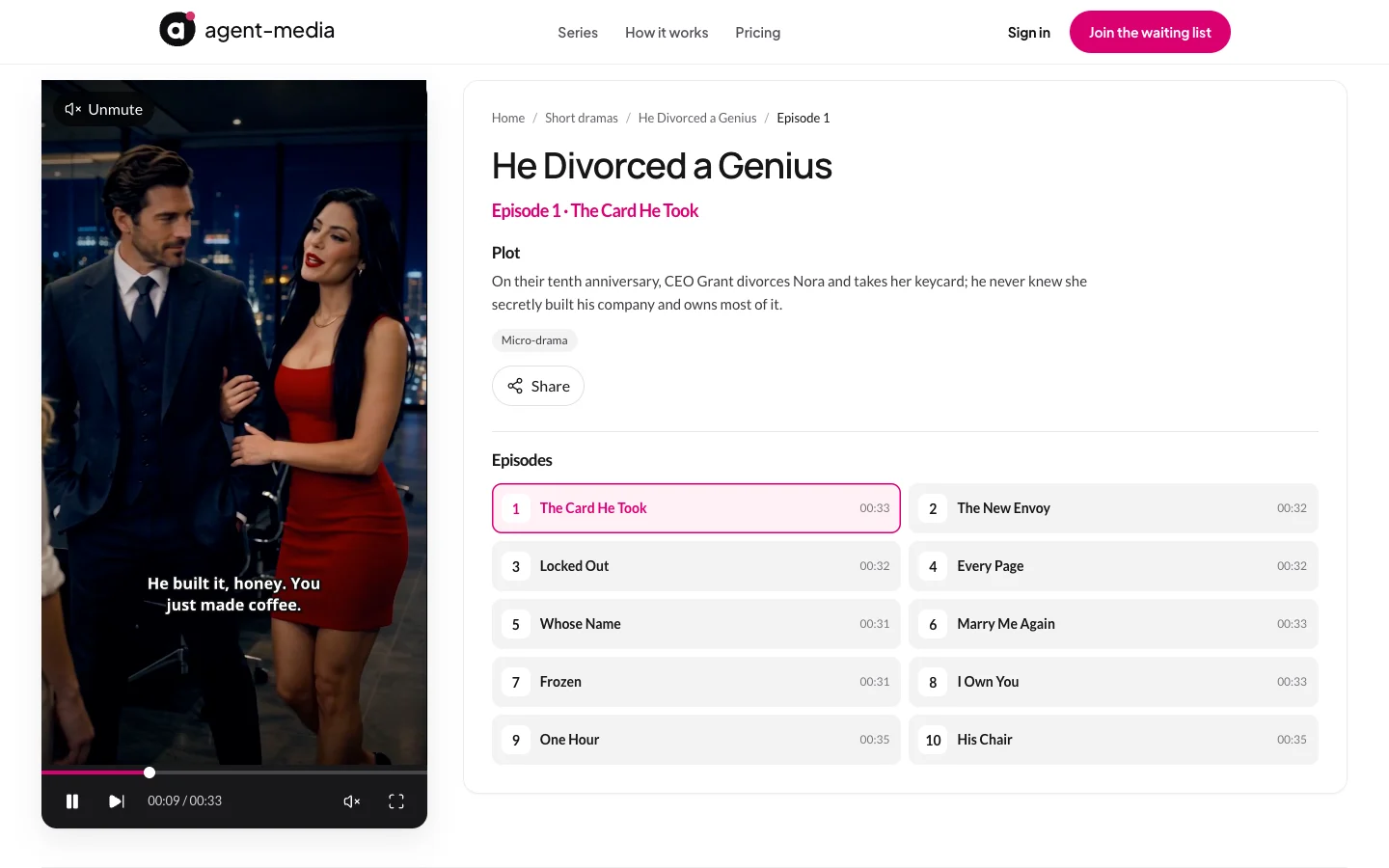
Agent Media turns a one-line story idea from a social account operator into ten vertical drama episodes. The site lists monthly plans and currently offers waitlist signup. The same AI cast keeps its looks and voices throughout the season. Operators review each episode, can ask for a redo, and pick the dates for Agent Media to publish on their behalf. The workflow page says episodes only go out after review, while the Grow terms allow publication if the user does not reject an episode. The site does not say which plans go with which rule.

Affonso helps software companies find affiliate partners and track the customers and revenue those partners bring in. Early on, the product was free to use and had no way to pay in the app. Founder Zinnanti recalls reading X posts from people asking for recommendations or looking to switch tools and finding his first customer through comments and direct messages. He later showed how to connect the tools so Affonso could find affiliates promoting competing products, Grok could do the initial screening, and the software vendor could decide whom to contact.
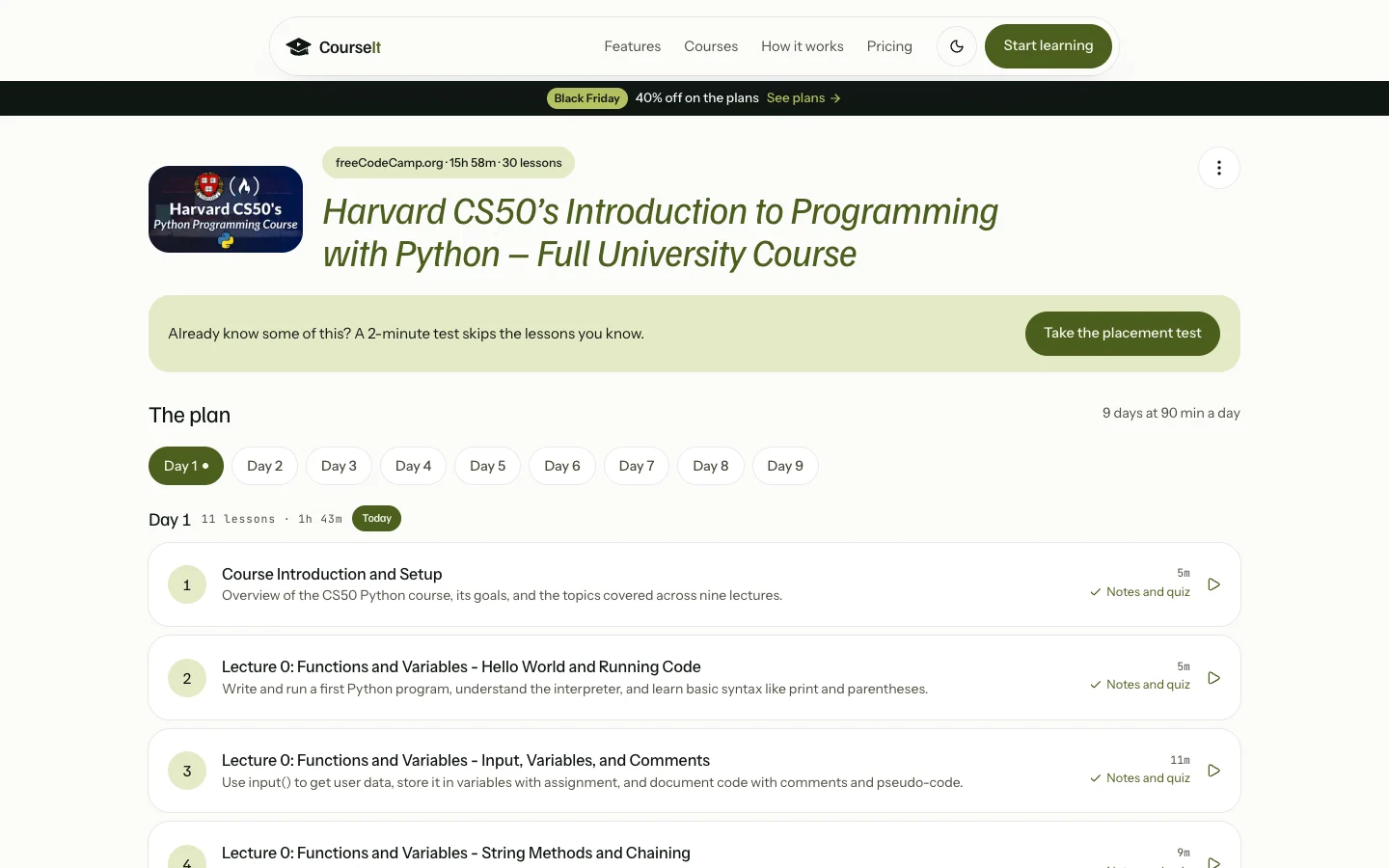
CourseIt turns YouTube videos and playlists into courses for people who learn on their own. Public courses are free to take, but generating a new course requires a subscription and counts against your allowance based on the original video’s runtime. The system uses captions to divide the material into lessons and set a study schedule, while the original instruction still plays on YouTube. A public Python sample course splits nearly 16 hours of video into 30 lessons.

Drop Studio helps print-on-demand and small apparel sellers create product-page mockups. On every plan, sellers can repeatedly swap designs and adjust their placement on the same base photo, all credit-free. Sellers can generate a blank mockup for the blank garment model and color they actually sell, or upload an existing photo. Starter and Pro charge 1 credit per blank mockup generated, while Unlimited offers uncapped, credit-free base photo generation.

TalkToHumans helps users manage LinkedIn conversations and follow-ups. Founder Robin Labrot turned his own sales review process into a free template. When he was building ListenUp!, plenty of people praised it, but few paid. This time, he puts call, actual usage, and payment records together for Claude to read, then has AI Rob identify the sales bottleneck that most needs attention each week and assess whether the next deal can follow an existing path to a sale.
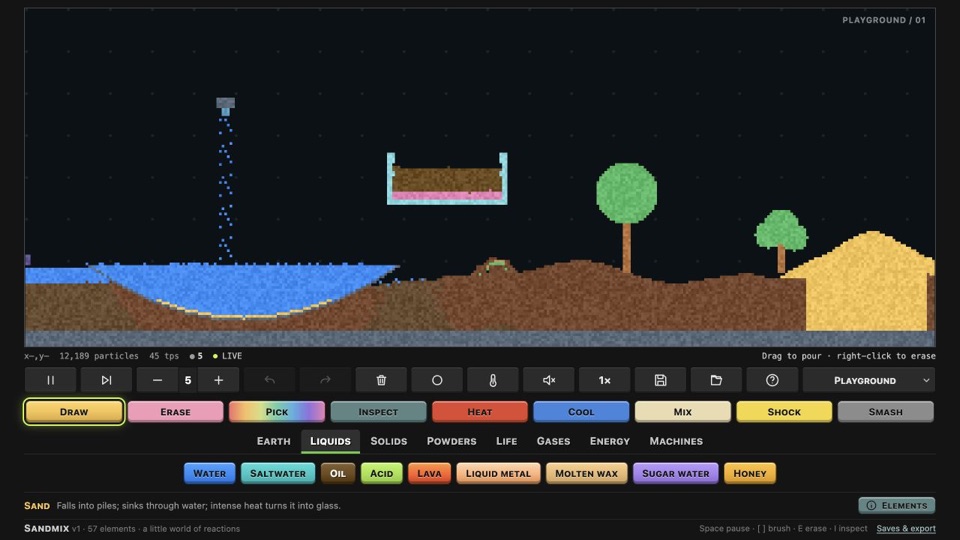
AI Games Kit helps indie game developers adapt existing browser or Unity games for platforms such as Poki and CrazyGames, reducing repetitive integration and packaging work. The kit is a one-time purchase with a standard license for one person and is delivered through a private GitHub repository. Developers still need to verify the actual package they’ll submit to each platform. Passing local checks doesn’t mean the platform will accept it.
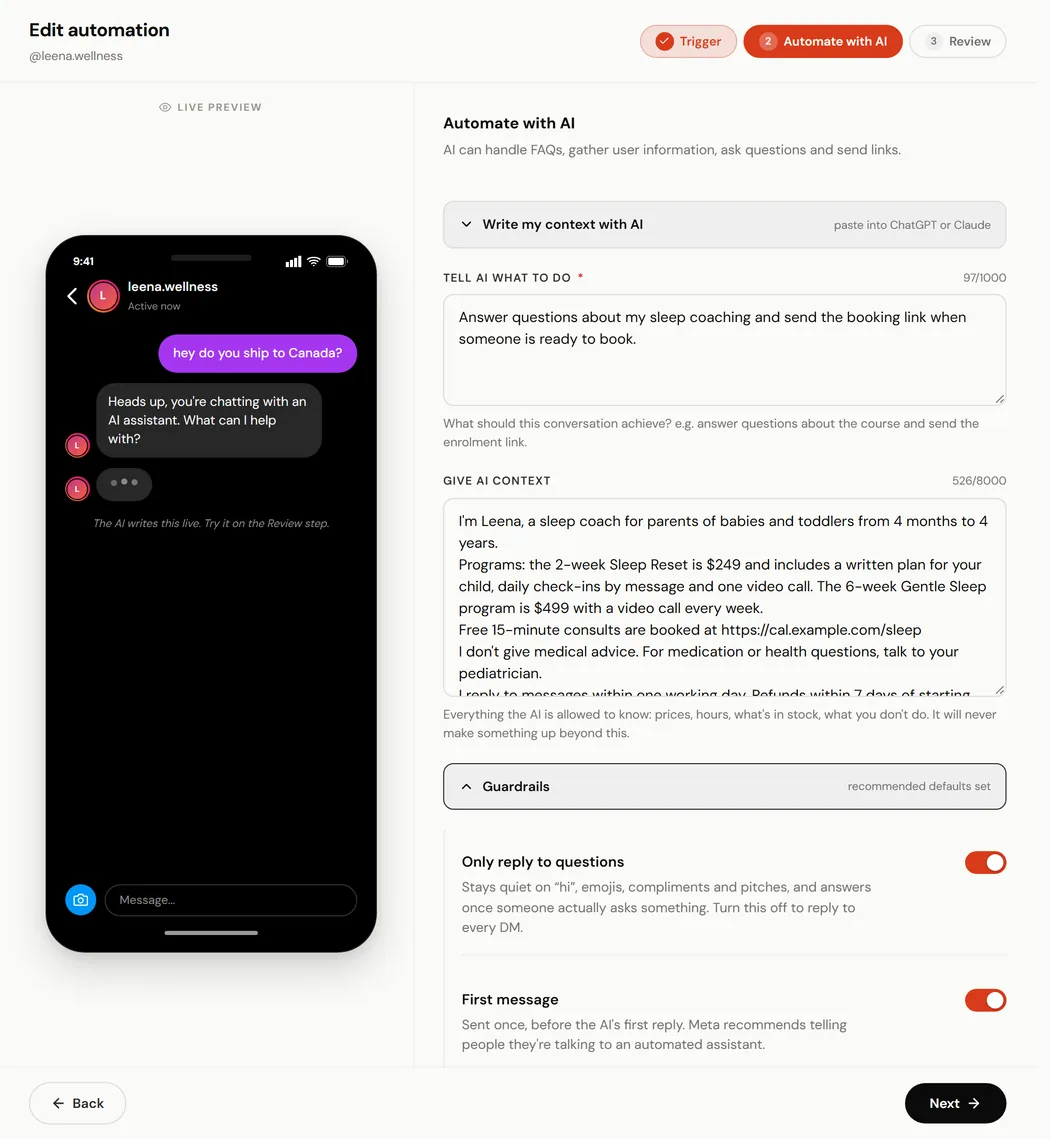
ReelDrop schedules short videos for Instagram creators and sends a preset link to viewers who leave a specified keyword. Scheduling and preset direct messages are free. AI Q&A is a separate paid feature that responds only after receiving a direct message or a Story reply. In the founder’s retrospective, one paying user canceled because the plan at 29 US dollars a month was too expensive. The founder later added a tier at 9.99 US dollars a month.
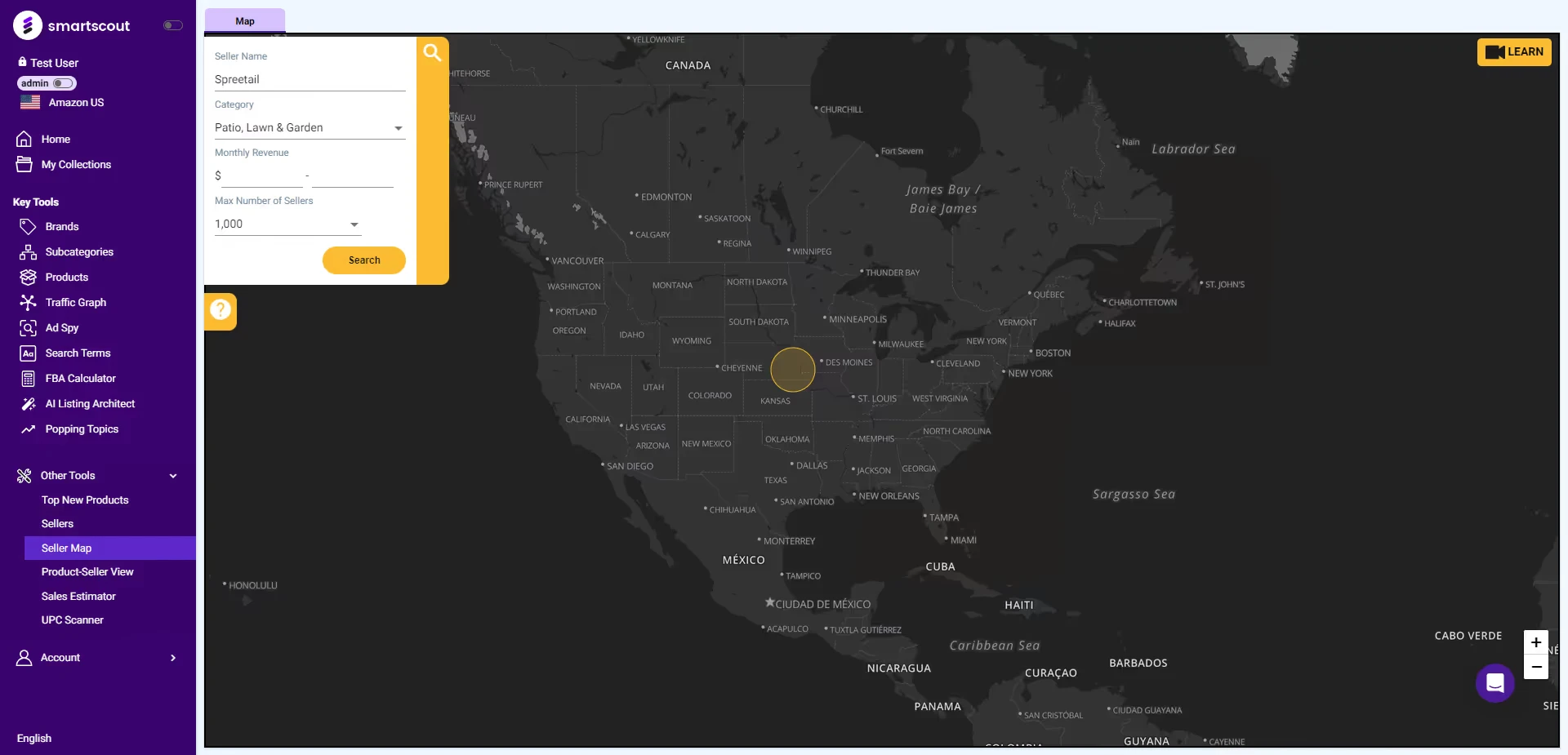
SmartScout helps Amazon sellers screen potential brand partners and uses AI to draft product listings. Founder Scott Needham recalled that 75 people paid on the software’s first day. Within two months, he and a front-end developer turned BuyBoxer’s internal brand-screening tool into software they could sell. Needham credited his podcast for that launch. The AI picks out relevant search terms from keyword and competitor data and works them into titles, selling points, and descriptions.
Helploom handles visitor inquiries for website teams. Paid plans are billed monthly, with a separate tier for AI. According to Helploom’s case study, WisdomCircle upgraded for automated replies based on its knowledge base. When the AI fails to answer or a visitor requests an agent, the conversation is handed over to a human agent along with the chat history. In his first-year retrospective, the founder reported 666 US dollars in cumulative revenue, including platform fees and taxes. According to Acquire.com, he had spoken with the buyer by day 3 or 4 after listing and then entered due diligence.
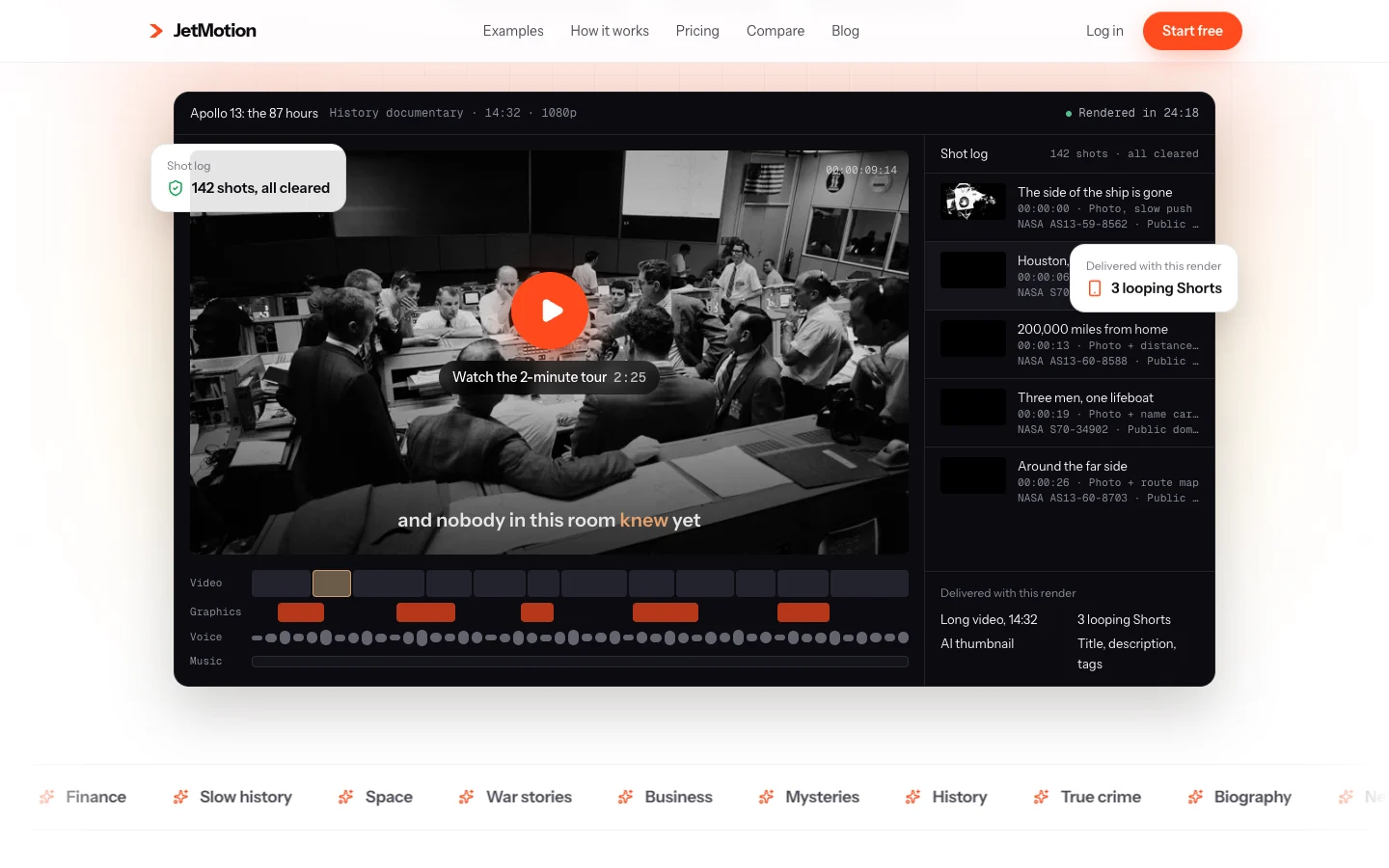
JetMotion sources footage and edits documentaries to narration for faceless YouTube channels. It charges a monthly fee, with a different maximum length per long-form video for each plan. Creators can review and replace shots before rendering, and the finished video comes with a log of each shot’s source and licence. The public sample mislabels the Apollo 13 lunar module as the service module, but the ID in the log leads to the original NASA photo.
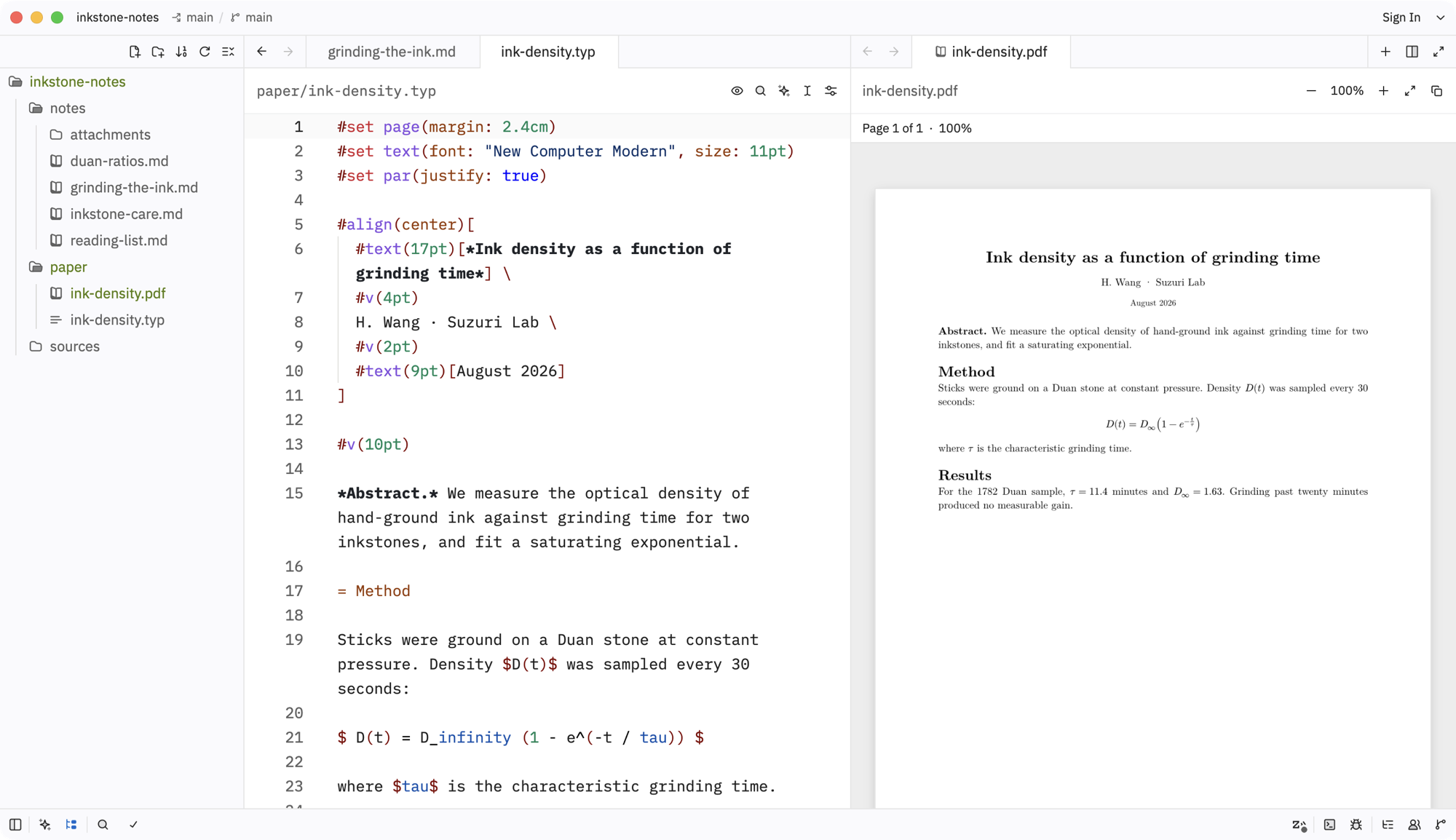
Suzuri lets researchers who use Zed edit code and write papers in the same window. The open-source fork merges changes from Zed’s main branch every week. Harry Wang forked Zed to spend less time switching apps. Suzuri gives him a live PDF preview as he edits typesetting source. GitHub records show that as of November 26, 2026, Beijing time, the five desktop package types across 32 public releases had been downloaded 3,068 times in total. That is not a user count.
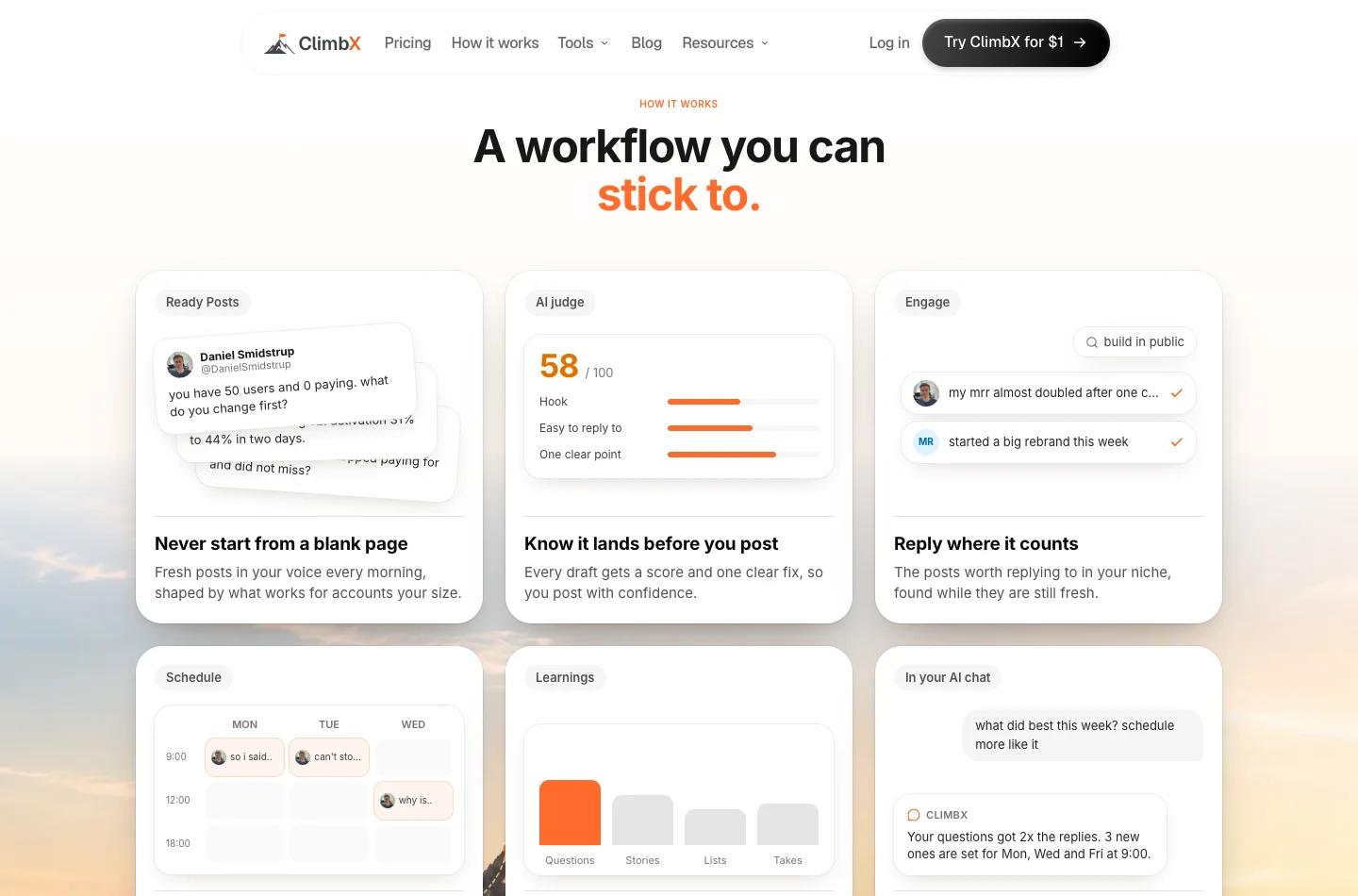
ClimbX uses AI to draft posts for founders and creators who run their X accounts on their own. It draws on the user’s recent posts and how similar accounts perform. Users can publish or schedule drafts after editing and approving them. Basic costs 29 dollars a month, and the 7-day trial costs 1 dollar and requires a card on file.
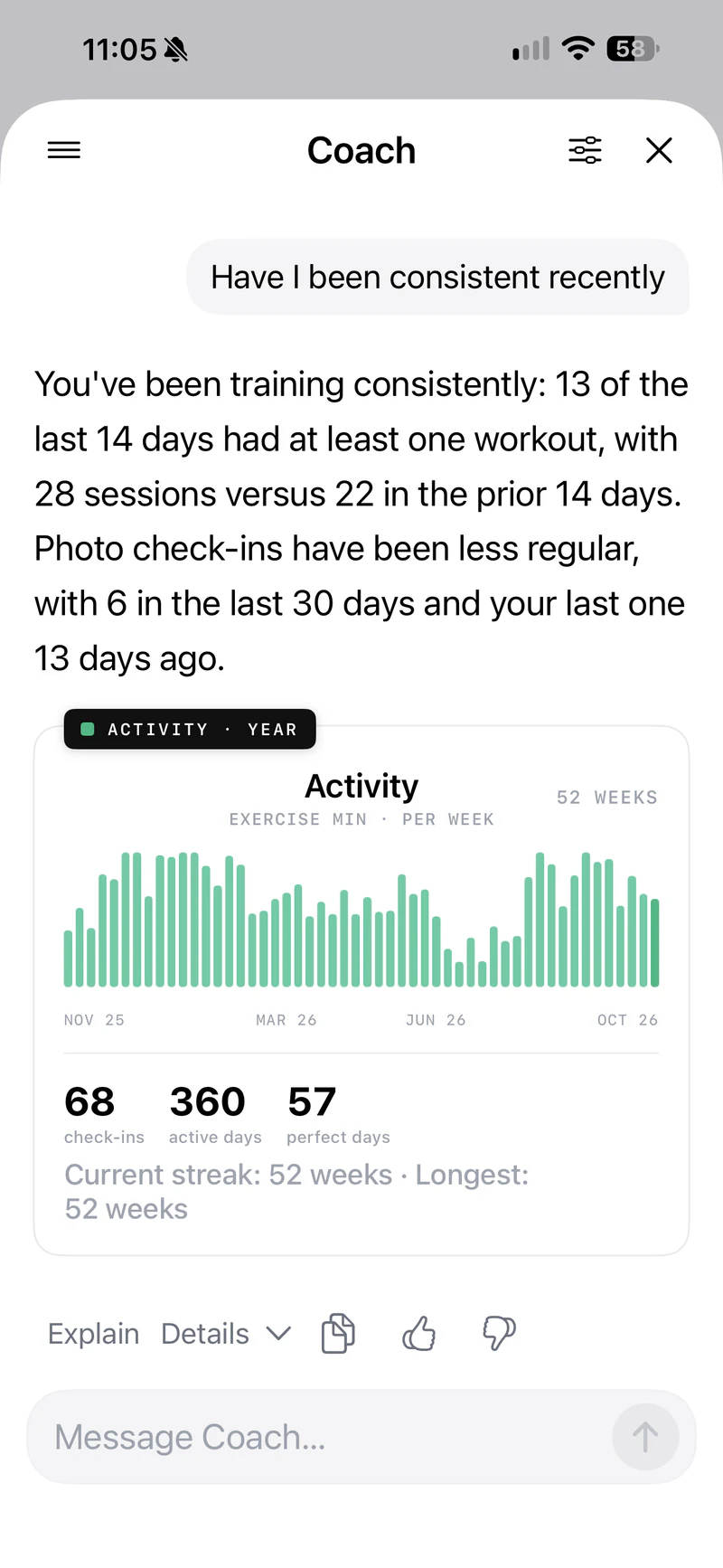
GainFrame helps people who work out organize their progress photos by pose on iPhone and compare any two dates side by side. It's free to download, with weekly, monthly, or annual Pro subscriptions. Developer Michael Rode says he found testers by sharing his training photos on Reddit. Everyone who bought a subscription on launch day had been talking with him for about two weeks during testing.

Link in Seconds hosts files for senders and generates shareable links. Small files are free to share, but starting a trial for larger files requires payment authorization up front. Sunny Radadiya says that of the 86 new signups the day before he posted his retrospective, 34 came from answers given by AI assistants. He dropped the original free tier because hardly anyone upgraded and the service was being abused. He later brought back only a free tier with a small storage allowance. He says most people who reach the payment page leave before starting the trial.

GrainFox helps Canadian farmers revise their grain sales plans using actual yields and expenses. The self-service tier with sales planning is billed annually. Sinoa answers questions about how trade news might affect grain prices, while Smart Advisor considers storage capacity and cash flow goals and recommends selling or holding. The farmer makes the final decision. A per-acre plan adds a human advisor who can help negotiate contracts.

Soba helps people with type 1 diabetes estimate and log a meal’s carbs from a photo. Each device gets one free scan per calendar month, shared between photos and text. A subscription adds more scans, but a daily limit still applies. When Soba’s carb estimate reaches 40 g, it prompts users to weigh the main source of carbs and recalculates when they enter the measured weight. The app does not recommend medication doses.
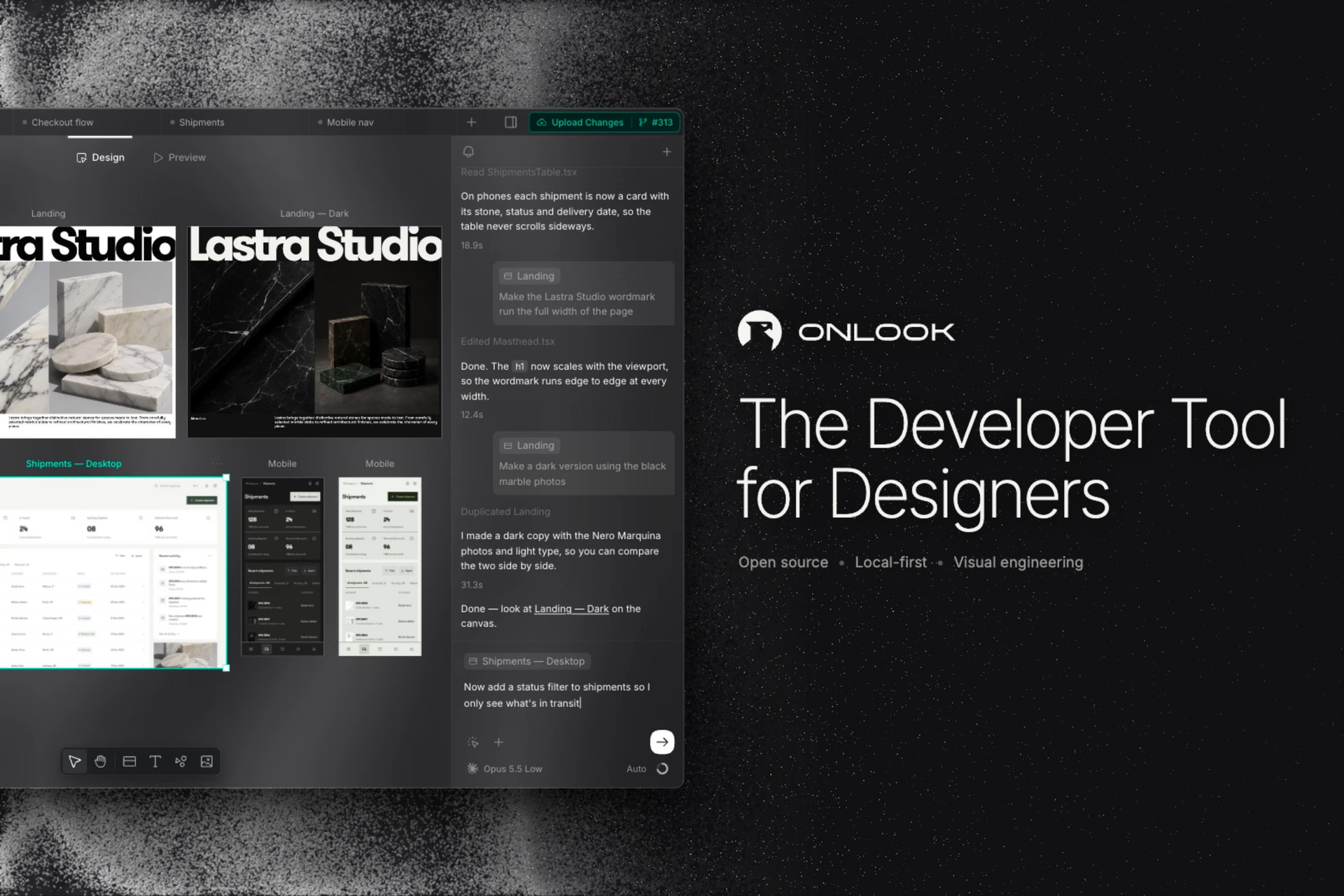
Onlook lets designers try interface changes in real projects, review the code changes line by line, and then decide whether to open a pull request. The new desktop editor is free and open source, and a paid cloud product for teams is still in the plans. At the launch of the new desktop version, Daniel recalled that after releasing the web version, the team found that the old desktop version was still getting hundreds of downloads a month even after promotion had ended. That’s why they decided to rebuild it.